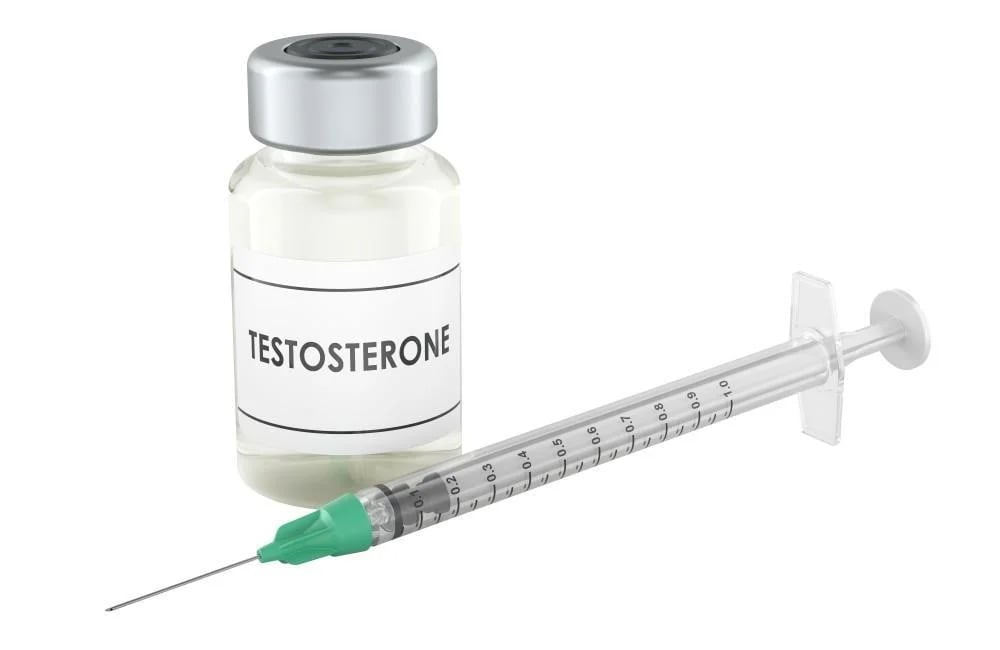
Testosterone Syringes, Needles and Injection Sites: What Changes Between Intramuscular and Subcutaneous, and Why Technique Is Taught in Person
Anyone who starts testosterone therapy by injection quickly learns that the medicine is only half the story. The other half is a small piece of plastic and a needle, and the questions that come with them. Which syringe? What size of needle? Muscle or fat? Which part of the body? How deep? What if it stings, bleeds or leaves a lump?
These are reasonable questions, and they are searched for in large numbers, often in forums where the answers range from careful to alarming. This article sets out the general principles behind syringes, needles and sites in clear terms, so that a patient can understand what the clinician teaches and why. It is written by the team at Liondale Medical in New York, where Dr. Lionel Bissoon supervises testosterone therapy for men as a physician-led service.
Some boundaries first. This is not a how-to for injecting yourself without supervision, and it does not give a dose, a frequency or a product recommendation, because those are medical decisions made from a person's history and labs. Technique is also best learned by watching and doing with a trained person beside you, not by reading. What the article can do is explain the equipment and the reasoning, so that the teaching makes sense and mistakes are easier to avoid.
The Two Routes and Why Both Exist
Testosterone preparations given by injection are usually delivered in one of two ways.
Intramuscular injection places the oil-based medicine deep in a large muscle. Muscle has a rich blood supply, and the medicine forms a small depot there that releases slowly into the circulation. This has been the traditional route for decades.
Subcutaneous injection places the medicine in the layer of fat just beneath the skin. Absorption from fat is generally slower and, for some people, steadier. The needle is shorter and finer, and many people find it less intimidating and less uncomfortable.
Neither is universally better. Practice patterns differ between physicians, the product's labeling may specify a route, and individual factors such as body composition, muscle mass, injection anxiety and tolerance influence which is chosen. The decision belongs with the prescribing clinician, who knows the product and the patient. A person should not switch routes on their own, because absorption can differ and the schedule that suits one route may not suit the other.
What the injections are for, and what to expect from them over time, is a separate and larger subject.
Understanding the Syringe
A syringe has three main parts: the barrel, which holds the liquid and carries the measurement markings, the plunger, which pushes the liquid out, and the tip, where the needle attaches. Small differences in each matter.
The volume of the barrel is chosen to suit the amount being drawn. Syringes are labeled in milliliters, and many are marked in tenths or hundredths. A syringe much larger than the volume needed makes accurate measurement harder, because the markings are further apart. A syringe that is too small may require more than one fill. The clinician decides what suits a given prescription, and that should be written down.
The tip comes in two common forms. A Luer lock tip has a threaded collar, and the needle twists on and locks, which prevents it from coming off under pressure. A slip tip simply pushes on. Thick oil-based solutions create resistance, so a locking tip is often preferred, but practice varies.
Some syringes have a fixed needle that cannot be removed. These reduce the amount of liquid trapped between the needle and the barrel, a space known as dead volume. For medicines that are measured precisely, this can matter, and for others it does not.
Syringes are single use. They are designed to be used once, and reuse risks contamination and infection, besides dulling the needle. This is not a cost-saving opportunity.
Needles: Gauge, Length and What the Numbers Mean
Needles are described by two numbers, gauge and length, and both affect comfort and technique.
Gauge describes thickness, and the scale runs in the opposite direction from what intuition suggests. A higher number means a thinner needle. A 30 gauge needle is very fine, a 25 gauge is moderate and an 18 gauge is wide.
Oil-based medicines are thick. A wide needle draws them up quickly but is more uncomfortable to inject, while a fine needle is gentler but slow to fill and slow to push. For that reason, it is common to use one needle to draw from the vial and a different, finer one to inject, a point discussed below. The specific sizes to use are a matter for the clinician and the product.
Length determines how deep the medicine goes. Intramuscular injections require a needle long enough to reach through the fat to the muscle. Subcutaneous injections use a shorter needle so that the medicine stays in the fat. The right length depends on the site and on the amount of fat over the muscle, which is why a single size does not suit everyone. A lean person and a heavier person may need different lengths for the same site.
Choosing a length that is too short for an intramuscular route can deposit medicine in fat, which changes absorption and may cause irritation. Choosing one that is too long for a subcutaneous route risks reaching muscle. This is one of the main reasons that technique should be taught and checked, not guessed.
Why Two Needles Are Often Used
A common practice, taught by many clinicians, is to use one needle to draw medicine from the vial and a fresh one to inject.
Piercing the rubber stopper of a vial with a needle dulls the tip slightly and can leave tiny fragments of rubber on it. A dulled needle is more painful on the skin, and a fresh sharp one goes in more easily. Drawing with a wider needle also makes filling faster, and swapping to a finer one for the injection makes it more comfortable.
The trade-off is handling. Every swap is an opportunity to touch something that should stay sterile, to drop a cap or to cause a needle stick. Whether this is the right approach for a particular person is something the clinician decides when teaching, and some products and protocols specify a single needle.
Whatever the approach, needles are used once and discarded in a sharps container, never in the household trash and never recapped by hand in a rush. Safe disposal protects family members, pets and waste workers.
Sites for Intramuscular Injection
Sites are chosen because they have enough muscle and are away from major nerves, blood vessels and bone. Several are used.
The upper outer area of the buttock, known as the dorsogluteal region, has a large muscle and is a classic site, but it requires care because the sciatic nerve runs nearby. Errors in locating it can cause nerve injury, which is a serious complication. For this reason, anatomical teaching is crucial, and many practitioners favor other sites.
The ventrogluteal site, on the side of the hip, is regarded by many nurses as safer, because the muscle there is thick and sits away from large nerves and vessels. It is found using the bony landmarks of the hip, and learning to locate it is a hands-on skill.
The vastus lateralis, on the outer front of the thigh, is a large muscle that is easy to reach and see, and it is a common choice for self-injection. The middle third of the outer thigh is typically used, away from the knee and the hip.
The deltoid, at the top of the upper arm, is a small muscle and takes only small volumes. It is rarely suitable for oil-based testosterone in the volumes often used, and it is hard to inject on oneself.
Rotating among sites over time reduces irritation, scar tissue and soreness in any one spot. A written or electronic record of which site was used each time helps.
Sites for Subcutaneous Injection
For subcutaneous injections, the aim is a pocket of fat that can be gently pinched up from the muscle below.
The abdomen, to the side of the navel and several centimeters away from it, is the most common site. It has a reliable layer of fat in many people and is easy to see and reach.
The outer thigh and the back of the upper arm are alternatives. The upper outer buttock and the flank above the hip also have fat in many people.
As with muscle, rotation matters. Repeated injection into the same spot can cause firm lumps, changes in the fat and variable absorption. Scarred or lumpy areas are avoided.
The amount that can comfortably be injected into fat is limited, and larger volumes can be uncomfortable. This is one reason that preparations and schedules differ between routes.
What Good Technique Looks Like
Technique is taught in person, and a few principles are worth understanding in advance.
Preparation comes first. Hands are washed, a clean surface is used and supplies are laid out before anything is opened. The vial's label is checked for name, strength and expiry, and the liquid is checked for clarity and particles. The stopper is wiped with an alcohol swab and allowed to dry.
Drawing the medicine requires attention to air. Air in the syringe is usually removed before injecting. A clinician will show how to draw to the correct mark and how to clear bubbles.
Cleaning the skin follows. The site is wiped with an alcohol swab and allowed to dry, since injecting through wet alcohol stings and an unclean surface raises the chance of infection.
The injection itself differs by route. For intramuscular, the needle goes in at a steady angle, usually straight in, in a quick motion, and the medicine is pushed slowly. For subcutaneous, the skin is pinched, the needle enters at an angle according to the needle length and the medicine is delivered under the skin. A slow, steady push is gentler for thick solutions in both routes.
Withdrawal is quick and smooth, followed by gentle pressure with clean gauze. Rubbing hard can irritate the area. A small bandage may be used.
Afterward, the syringe goes into a sharps container, the vial is stored as the label directs and the injection is recorded, including date, site and any reaction.
Reading the Vial and the Label Before Anything Else
Before a syringe is touched, the vial deserves a careful look, because errors at this stage are the easiest to prevent.
The label states the name of the medicine, its strength in milligrams per milliliter, the lot number and the expiry date. Strength matters because two vials with the same name can contain different concentrations, and drawing the same volume from each would give different amounts. This is a common source of confusion when a person switches pharmacies or products, and it is a good reason to confirm the strength every single time instead of relying on memory. Any doubt about strength is worth raising with the clinician who manages your testosterone therapy before the next injection, not after it.
The liquid itself should look the way it always has. Testosterone in oil is usually clear and pale yellow. Cloudiness, floating particles or crystals suggest a problem. Some oils form crystals in the cold, and these often dissolve when the vial is warmed gently in the hands, but a clinician or pharmacist should confirm what is safe to use.
Multi-dose vials, once punctured, stay in use for a limited period, and the label or pharmacist states how long. Writing the date of first use on the vial helps. Vials that have been left open, dropped or stored badly are replaced, not salvaged.
Finally, the vial belongs to one person. Sharing medicine between people, even partners or friends who take the same product, is unsafe and, for a controlled substance, unlawful.
Hygiene Details That Prevent Most Infections
Infections after injections are uncommon, and most of those that occur trace back to a small number of lapses.
Hands come first. Washing with soap and water for twenty seconds, and drying with a clean towel, removes most of what could contaminate the needle. Gloves are optional for self-injection but are used by many clinicians, and they do not replace washing.
Surfaces matter. A clean, dry area for laying out supplies keeps caps, needles and swabs from touching something dirty. Once a needle or the tip of a syringe touches anything that is not sterile, including a fingertip, a counter or clothing, it is discarded.
Alcohol swabs do their work by contact and time. A quick wipe is less effective than a firm one followed by a short wait for the alcohol to dry. Fanning or blowing on the skin reintroduces germs, and it is better to let it air dry.
The vial stopper is cleaned each time it is punctured, because stoppers are not sterile once opened.
Skin conditions deserve respect. Injecting through a rash, a sunburn, an infected area or a tattoo with open healing is avoided, and a site that is inflamed is skipped in the rotation.
Gloves, swabs and packaging that touch blood go into household waste according to local rules, while needles and syringes go only into a sharps container. Containers are replaced when about three-quarters full, and local pharmacies or health departments can advise how to dispose of them.
The First Few Weeks: What Tends to Happen to Technique and Confidence
People who learn injections in the office often find that the first few attempts at home feel awkward, and that is expected.
Confidence tends to grow quickly. Most men who are shown the steps, who practice with supervision and who have written instructions settle into a routine within a few injections. The routine itself, with supplies laid out in the same order each time, is what prevents errors.
Common early mistakes are minor. Rushing the plunger causes more discomfort than necessary. Forgetting to rotate sites leads to a sore spot. Pulling a needle out at an angle bends tissue and stings. Each is easily corrected once noticed, which is why a follow-up check of technique at an early visit is helpful, and why men should feel comfortable bringing their supplies and demonstrating what they do.
Early on, people also notice changes unrelated to the needle, such as mood, energy, skin and sleep, and it is easy to attribute these to technique or to the injection day. Keeping a simple log makes it possible to see patterns across weeks and separate effects of the medicine from effects of how it was given.
Follow-up labs, typically at intervals set by the clinician, check how the body is responding and whether anything needs to change. The needle is only one part of a larger monitoring plan.
Pain, Bleeding and Lumps: What Is Usual and What Is Not
Most people have minor, brief reactions, and knowing the usual picture helps separate normal from worrying.
Mild soreness at the site for a day or two is common, especially after intramuscular injections of oil. A small bruise or a tiny drop of blood is also common, particularly if a small vessel is nicked.
A firm, tender lump may appear as the medicine settles. It usually fades over days to weeks. Warm compresses and gentle movement may help, but persistent or growing lumps should be reported.
Redness, warmth, swelling, pus or fever suggest infection and need prompt medical attention.
Sharp, shooting pain or numbness during or after an injection, especially radiating down a leg, suggests contact with a nerve and requires immediate attention and review.
A sudden cough or a feeling of tightness in the chest right after an injection, rarely seen with oil-based preparations, is a medical concern that requires urgent assessment. Any difficulty breathing, hives or swelling of the lips or throat after an injection is an emergency.
The concerns above are about the injection. Reactions to the medicine itself, such as changes in blood counts, mood, acne or swelling, are a separate subject.
The Importance of Not Improvising
Search results and forums offer many tips, some of them sound and some of them risky. A few common ideas deserve caution.
Buying syringes and medicine online without a prescription and supervision is risky. Products can be counterfeit, mislabeled or contaminated, and there is no one monitoring blood counts or hormone levels. Medicine for injection should come from a licensed pharmacy under a prescription.
Using larger volumes in one injection to reduce the number of injections can cause pain and poor absorption, and the volume that is appropriate is determined by the prescriber.
Reusing needles to save money dulls them, raises infection risk and can cause bent tips that tear tissue.
Skipping the sharps container creates hazards for others.
Changing route, site or technique because a forum suggested it should wait until the clinician has weighed in. A change that seems small can alter how the medicine is absorbed.
Monitoring is the other half of safe practice. A person on testosterone needs blood tests on a schedule, because the medicine affects red blood cell count, hormone levels and other markers. Preparing properly for blood draws, including whether to fast, is a practical part of that side of care.
Learning It the Right Way
A good teaching session has a shape that is worth knowing in advance.
It starts with the clinician explaining the route, the product and the reason for them. The patient sees the equipment and handles it.
The clinician demonstrates the full sequence, including preparation, drawing, site selection, injection, disposal and record keeping, and the patient then performs it under observation. For people who are anxious about needles, a first injection in the office, followed by supervised practice, makes a large difference.
The patient leaves with written instructions, a plan for what to do if something goes wrong and a way to reach the practice with questions. Follow-up includes lab testing, a review of technique at later visits and a check of injection sites.
Some people prefer to have every injection given in the office, which is a legitimate choice. Others learn to do it at home. Which is appropriate depends on the individual, the product and the clinician's judgment.
The broader context of what a first visit and a first few months look like is a larger subject than equipment.
Injection Anxiety and Practical Comfort
Fear of needles is common, and it is not a character flaw. It affects how people tolerate treatment and sometimes whether they continue.
Fine needles and subcutaneous routes reduce discomfort for many people, which may be a factor when choosing a route.
Simple measures help. Letting the alcohol dry, relaxing the muscle, warming the vial in the hands and injecting slowly all make the injection gentler. Looking away, slow breathing and a calm environment help some people, and others find that watching reduces anxiety.
Numbing creams or cold are sometimes used for people who are very anxious, though they should be discussed with the clinician.
If anxiety stops a person from doing the injections, they can talk to the clinician about options, including office-administered injections or a different delivery method. Pellets, for example, are an alternative that avoids frequent injections, with their own features and trade-offs.
Travel, Storage and Record Keeping
Practicalities that affect safety and legal use deserve a mention.
Storage follows the label. Many testosterone preparations are kept at room temperature, away from heat and direct light, but the label governs. Cold can cause some oils to thicken or crystallize, and a clinician or pharmacist can advise what to do.
Travel involves carrying injectable medicine and syringes. A copy of the prescription and a note from the clinician make airport security and border checks easier, and supplies belong in carry-on luggage where temperature is controlled. Rules vary by country, so checking ahead is wise.
Testosterone is a controlled substance in the United States, which means it should be kept secure, not shared and documented properly. Never give it to someone else, and never accept it from anyone else.
Keeping a log of dates, sites, products and any reactions builds a record that helps the clinician adjust care.
Questions Men Often Bring to the First Teaching Visit
A few topics come up again and again, and they are worth raising early.
What if I miss a dose or an injection time? The answer depends on the product and the schedule, and the clinician should give a specific plan in advance.
What if the needle hits a vessel? Clinicians teach a check, drawing back slightly on the plunger before pushing for some intramuscular techniques, though practice varies and some guidance has changed. The clinician will say which to use.
What if some medicine leaks out? A small amount at the surface is common and does not mean the whole dose was lost. A large amount should be reported.
What if I feel flushed or dizzy afterward? Mild lightheadedness can occur, but chest symptoms, trouble breathing or swelling are emergencies.
Can I exercise afterward? Light activity is generally fine, and the clinician can advise on heavy training that uses the injected muscle.
Will this affect fertility? Testosterone therapy can reduce sperm production, and this deserves a conversation before starting for men who may want children, as discussed with the clinician.
How will we know it is working? Blood tests and symptoms are tracked over time, and the evidence for what shots do is worth understanding.
The Bigger Picture
Equipment and technique are the visible part of injectable therapy, and they are easy to focus on because they are tangible. They are also the part where small errors can cause avoidable discomfort or harm, so they deserve respect.
The medicine itself is the larger decision. It starts with a proper evaluation, a diagnosis supported by symptoms and repeat laboratory testing, an assessment of risks and a plan for monitoring. The signs that prompt that evaluation, and the workup that follows, come well before any syringe is picked up.
A syringe, a needle and a site are tools. In good hands, with proper teaching, they are routine and uneventful. In the wrong hands, or without guidance, they are a source of preventable problems.
For men in New York who want to understand their options, a visit with the men's health team can be arranged through Liondale's scheduling.
Frequently Asked Questions
What size syringe is used for testosterone?
The size depends on the volume prescribed, and the clinician chooses it. A syringe close to the needed volume allows more accurate measurement, and the choice should be written down.
What needle gauge is used for testosterone?
Gauge and length depend on the route, the product and the person. A higher gauge number means a thinner needle, and length must reach muscle for intramuscular use or stay in fat for subcutaneous use, so the clinician decides.
Is intramuscular or subcutaneous testosterone injection better?
Neither is universally better. Both are used, absorption can differ and the prescriber chooses based on the product, body composition and tolerance. Do not switch routes without advice.
Where are testosterone injections given?
Intramuscular sites include the ventrogluteal area of the hip and the outer thigh, and subcutaneous sites include fat around the abdomen and thigh. Rotating sites reduces irritation.
Why are two needles sometimes used?
A fresh, sharp, finer needle for the injection is more comfortable than one dulled by piercing the vial stopper. Some products and protocols use one needle, so follow the clinician's instruction.
What should I do about a lump or soreness after an injection?
Mild soreness and small lumps often fade over days to weeks, but redness, warmth, pus, fever, severe pain, numbness or a lump that keeps growing should be reported promptly.
Can I learn to inject myself?
Many men do, after being taught in person by a clinician, with written instructions, a plan for problems and regular lab monitoring. Some prefer office-administered injections, which is also reasonable.
This page was written and medically reviewed by Lionel Bissoon, D.O., founder of Liondale Medical. Dr. Bissoon is a board-certified osteopathic physician specializing in anti-aging and concierge medicine on the Upper West Side of Manhattan.
This content is for educational purposes only and does not constitute medical advice. Individual results may vary. Consult a qualified physician before beginning any new treatment.
Cypionate and enanthate are close cousins. A physician explains half-life, injection frequency, peaks, troughs and when to time lab draws for testosterone.
Curious about testosterone therapy but not sure if receiving shots is right for you? Testosterone replacement therapy can dramatically alter your life if you struggle with low T. Here’s why.
T shots, test shots, testosterone injections: what they are prescribed for, who qualifies after proper lab testing, what they can realistically change and what they cannot fix. A New York physician-led guide.
Which testosterone shot side effects are common, which deserve a call to your provider, and which need prompt care. Dr. Bissoon explains what to watch for.