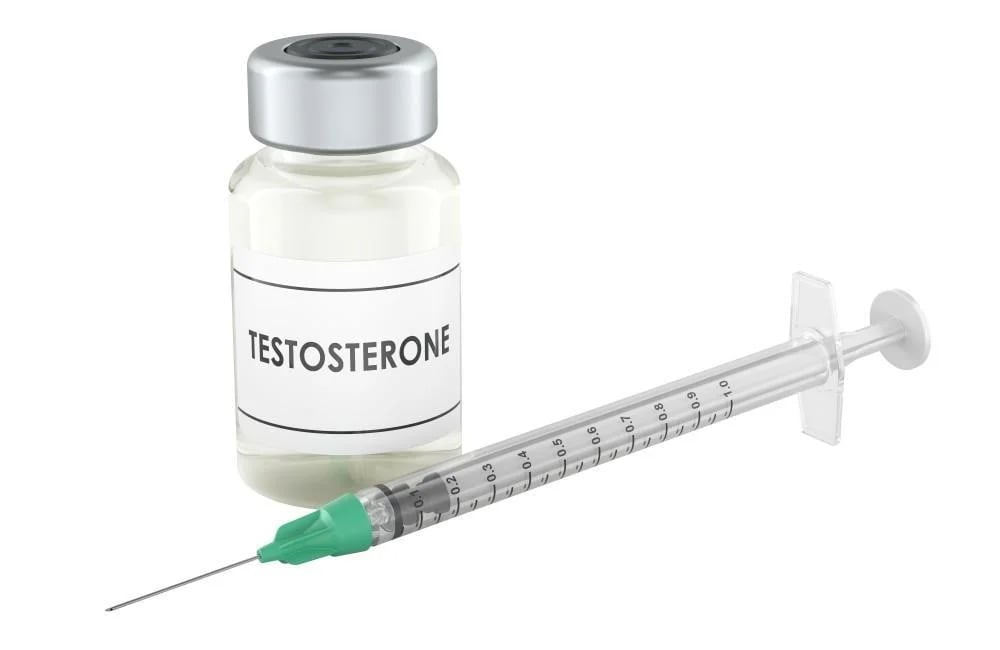
What to Expect from Testosterone Shots
Curious about testosterone therapy but not sure if receiving shots is right for you? Testosterone replacement therapy can dramatically alter your life if you struggle with low T. Here’s why.
Few medical terms have drifted as far from their clinical meaning as "T shot." In a gym locker room, it can mean a shortcut to a bigger chest. In a social feed, it can mean a fix for a bad week. In a doctor's office, it means something narrower and far less glamorous: an injection of testosterone given to a man whose body is not making enough of it, after tests have shown that and after other explanations have been considered.
That gap in meaning is visible in what people type into search engines. Thousands of searches each month ask what testosterone shots are, what they are for, what they do for men and what a "test shot" even means. Behind those questions is a reasonable instinct: before agreeing to a hormone that will be injected for years, a man wants to know what it is supposed to accomplish and what it will not.
This guide answers that definitional question. It explains what a T shot is in plain terms, which conditions it is actually prescribed for, how a diagnosis is supposed to be reached, what the best clinical evidence says it changes, what it cannot fix, and what a sensible first conversation with a physician looks like. It is general education grounded in published guidelines and trial data, and it is not a substitute for an individual evaluation.
A T shot is a dose of testosterone, usually testosterone cypionate or testosterone enanthate dissolved in oil, injected into muscle or into the fat just under the skin. The medication is a replacement for the hormone the testes normally produce. It is not a stimulant, not a steroid cocktail and not a general wellness booster, although it belongs to the same chemical family as the anabolic agents used in sport.
Two different situations get lumped together under the term, and the difference matters. In the first, a man has a diagnosed deficiency, and the injection restores a hormone level that his body cannot sustain on its own. This is testosterone replacement therapy, often shortened to TRT. In the second, a man with normal levels takes testosterone to push past them, usually for muscle or performance. That is not replacement. It is supraphysiologic use, it carries a different risk profile, and it is not what a physician-led program prescribes.
The shot form is one of several delivery routes. Gels, patches, pellets and oral products exist, and the choice between pellets and shots often comes down to lifestyle. Injections remain the most common route because the drug is inexpensive, well studied and easy to adjust, and because blood levels follow a predictable curve that a physician can monitor.
The medical term for a testosterone deficiency that causes symptoms is hypogonadism. It comes in two main forms. Primary hypogonadism means the testes themselves are not producing enough, because of injury, infection, genetic conditions, cancer treatment or aging. Secondary hypogonadism means the testes are capable, but the brain's signaling to them, through the pituitary gland, is faulty. Obesity, sleep apnea, chronic illness, opioid use, high prolactin and pituitary problems are common causes of the secondary form.
This distinction shapes treatment. A man with secondary hypogonadism caused by sleep apnea or excess body fat may regain normal levels when the underlying problem improves, which is a reason physicians look for causes before starting a lifelong medication. A man with primary hypogonadism will not recover on his own, and replacement is more clearly indicated.
Age alone is not the diagnosis. Testosterone declines gradually with age, on the order of a percent or so a year after midlife in many men, but many older men remain within the normal range, and a number of younger men fall below it. The question is never simply how old the patient is. It is whether he has both low levels and the symptoms that go with them.
Published guidelines from the Endocrine Society and the American Urological Association agree on the outline. A diagnosis requires consistent symptoms and unequivocally low testosterone on repeated morning blood tests. The commonly used cutoff for total testosterone is around 300 nanograms per deciliter, although laboratories and guidelines differ slightly, and borderline results call for judgment.
The details matter more than most patients expect. Testosterone follows a daily rhythm, peaking in the early morning, so a sample drawn in the afternoon can understate it. A single low reading can be a fluke, which is why two separate morning measurements are advised. Illness, poor sleep, heavy drinking and recent intense exercise can all depress a result temporarily. Total testosterone also depends on a binding protein, sex hormone binding globulin, so a man with unusual binding levels may need a free testosterone calculation to interpret his numbers properly.
A complete workup usually adds luteinizing hormone and follicle stimulating hormone to distinguish primary from secondary causes, and often prolactin, a blood count, thyroid function, blood sugar markers and sometimes a sleep apnea screen. The symptom side of this picture, from poor sleep to a flat mood, is captured in the warning signs of testosterone imbalance, while the laboratory side is why a physician orders more than one number before prescribing anything.
When the diagnosis holds, testosterone injections are prescribed to relieve a fairly specific set of problems.
Low sexual desire is the strongest indication. Men with true deficiency often report reduced libido, fewer spontaneous erections and less satisfaction, and these are the symptoms most consistently improved by replacement in randomized trials. Erectile function itself improves less predictably, because erections depend on blood vessels and nerves as well as hormone levels.
Low energy and low mood are common reasons men seek treatment, and they are real but less reliably improved. In the large Testosterone Trials, older men with low levels who received treatment reported better sexual function and some improvement in mood and depressive symptoms, with more modest and inconsistent effects on vitality and walking ability. This is an honest summary of the evidence: replacement helps some men feel better, but fatigue has many causes, and testosterone does not fix all of them. The relationship between testosterone and fatigue cuts both ways, since levels that are too high can wear a man out as surely as levels that are too low.
Body composition changes are the third area. Replacement tends to increase lean mass and reduce fat mass modestly, particularly with resistance training and attention to diet. It does not replace either.
Bone health is the fourth. Testosterone supports bone density, and treatment can improve it in men with deficiency, which matters for men at risk of fracture. It is one factor among several, alongside vitamin D, calcium, weight bearing exercise and, where indicated, other medications.
Anemia is a fifth. Mild anemia that accompanies low testosterone often improves with replacement, which is also why monitoring the blood count is part of care, since the same effect can push red cell counts too high.
Honest education about T shots has to include their limits, because the gap between expectation and result is where most disappointment comes from.
A shot does not repair a bad night of sleep or the habits that caused it. Sleep apnea, a condition that suppresses testosterone and causes daytime exhaustion, can persist untreated on top of replacement. Treating the apnea may do more for energy than the hormone does.
A shot does not substitute for training or nutrition. Men who expect muscle to appear without lifting are disappointed, and men who gain weight on treatment gain it like anyone else.
A shot does not cure depression, anxiety or relationship problems, although low testosterone can contribute to them. A man whose mood has been low for months deserves a mood evaluation, not only a hormone panel.
A shot does not restore fertility. In fact, it tends to suppress it. Exogenous testosterone shuts down the brain's signal to the testes, which reduces sperm production, often to very low levels, and shrinks testicular size. Men who want children now or soon need a different plan, and the options for testosterone and fertility deserve a conversation before the first dose.
A shot does not treat normal aging. A man with levels in the normal range and a vague sense of slowing down is not a candidate for replacement, and giving it to him moves the treatment from medicine to enhancement, without the safety evidence that supports use in deficiency.
Safety has been the most contested aspect of testosterone treatment, and the evidence has shifted over the past decade.
Earlier observational studies and a few small trials raised concern about heart attacks and strokes, which prompted regulatory warnings. A large randomized trial called TRAVERSE, published in 2023, tested testosterone gel against placebo in more than five thousand middle aged and older men with low levels and elevated cardiovascular risk. It found that treatment did not increase the rate of major cardiac events compared with placebo over the study period. That was reassuring, but the trial also found higher rates of atrial fibrillation, acute kidney injury and pulmonary embolism in the treated group, and it did not settle questions about very long term use. The honest reading is that testosterone replacement in properly diagnosed men appears to carry a manageable cardiovascular risk, with specific signals that deserve monitoring.
Other known effects are more predictable. Red blood cell counts can rise, sometimes to levels that raise clotting risk, so the hematocrit is checked regularly. Acne and oily skin can worsen, and the skin connection runs in both directions, since testosterone and acne can also coexist. Sleep apnea can worsen in susceptible men. Breast tenderness or enlargement can occur when some testosterone converts to estrogen. Prostate health is monitored with a PSA test and an exam in appropriate age groups, because testosterone is not known to cause prostate cancer but can accelerate an existing one.
The practical side effects of the injection itself, including soreness at the site, mood swings and sweating between doses, are easier to judge once it is clear what is normal and what is not.
One of the more interesting recent findings involves metabolic health. A trial in men with obesity, prediabetes and low testosterone, conducted alongside a lifestyle program, found that testosterone treatment was associated with a substantially lower rate of progression to type 2 diabetes over two years compared with placebo. This does not mean testosterone prevents diabetes in men in general. It means that, in a specific group already receiving lifestyle support, the hormone added a measurable benefit. It also illustrates a theme that runs through this field: testosterone works best as part of a plan, not as a replacement for one.
Schedules vary, but the principles are consistent. Long acting oil based formulations are typically injected weekly or every two weeks, either into a large muscle such as the glute or thigh or into subcutaneous fat. Subcutaneous injection with a small needle has become popular because it is easier to self administer and, at smaller more frequent doses, can produce steadier levels.
The tradeoff is between convenience and stability. Injecting every two weeks means fewer needles but larger swings, with levels peaking in the first few days and falling toward the end of the interval. Some men feel the peak as a surge of energy or irritability and the trough as a slump. Splitting the same dose into weekly or twice weekly injections smooths those swings, and for many men that solves complaints that were blamed on the hormone itself.
Timing of blood tests matters as well. Levels measured just before the next injection reflect the trough, while levels a few days after reflect the peak. A physician interprets results in light of that timing, which is why monitoring is usually scheduled consistently relative to a dose. The first weeks follow a fairly common pattern for libido, mood and energy, and knowing what to expect from each stage prevents unnecessary worry.
Several groups need a different path or extra caution.
Men with prostate cancer or breast cancer should not receive testosterone outside specialized circumstances. Men with a very high red blood cell count, untreated severe sleep apnea, uncontrolled heart failure or recent heart attack or stroke need those conditions addressed first. Men who want to preserve fertility should explore alternatives that raise the body's own production, which some physicians use in place of direct replacement.
Men taking testosterone from non medical sources face a particular hazard. Products obtained outside a regulated pharmacy may be mislabeled, contaminated or dosed unpredictably, and use at high doses can shut down natural production for months or longer. A physician can still help such a patient, but honesty about what is being used is the first requirement.
The difference between a well run and a poorly run testosterone program is mostly in the steps around the injection. A physician-led program starts with a symptom history and repeated morning labs, searches for reversible causes, discusses fertility and risks, chooses a formulation and schedule, and then follows the patient with periodic blood work. Over time it adjusts the dose to the lowest level that relieves symptoms, instead of aiming for the highest number on the page.
That approach fits the structure of a concierge practice, where visits are longer and the physician knows the patient's history. At Liondale Medical, men's health care is built on precision diagnostics and ongoing refinement under Dr. Lionel Bissoon.
Several beliefs about testosterone injections circulate widely enough that they deserve a direct answer.
The first is that a bigger dose means a better result. Replacement aims for blood levels in the normal range, and doses above that do not add benefit for deficiency symptoms while raising the risk of high red blood cell counts, acne, breast tissue changes and suppressed natural production. The goal is the lowest effective dose, not the highest tolerable one.
The second is that testosterone is a youth treatment for every middle aged man. The decline in levels with age is gradual and variable, and many men in their sixties and seventies have levels in the normal range. Symptoms that arrive with age, such as lower energy, poorer sleep and a thickening waist, often have causes that testosterone does not address.
The third is that injections are permanent once started. In practice, treatment is ongoing for as long as the deficiency persists, but stopping is possible. Natural production often recovers after stopping, although recovery can take months and is slower after long use or in older men. A patient should know that before starting, not after.
The fourth is that low testosterone is a diagnosis made from a symptom checklist. Questionnaires can suggest the possibility, but they overlap heavily with depression, sleep disorders and thyroid disease, and a blood test is required.
The fifth is that a clinic that offers T shots without asking about fertility, sleep apnea or family history is simply efficient. In fact, those questions are the ones that determine whether the shot is a good idea, and a program that skips them is cutting the part of care that protects the patient.
Men in their twenties and thirties who search for T shots deserve a particular caution. Low testosterone does occur at these ages, from genetic conditions, pituitary problems, injury, obesity or medication effects. But a young man with low testosterone is also a man who may want children, and direct replacement is the treatment most likely to reduce his sperm count.
Physicians approach this by first looking for reversible causes and then, if treatment is needed, sometimes choosing medications that stimulate the body's own testosterone production, such as selective estrogen receptor modulators or gonadotropin therapy, instead of testosterone itself. These approaches preserve more fertility, though they have their own limitations and are used selectively. A frank conversation about family plans, ideally with a baseline semen analysis, is part of responsible care for any man who might want a child in the future.
Starting treatment is the beginning of a monitoring relationship. Blood work is usually repeated within a few months of starting or changing a dose, and then once or twice a year if things are stable. The tests typically include total and free testosterone, a complete blood count to watch the hematocrit, a PSA when age appropriate and often a lipid panel and estradiol.
Symptoms are tracked alongside numbers. A man whose levels look ideal but who still feels poorly deserves a second look at sleep, mood and other causes. A man whose levels are slightly above target but who feels well may simply need a modest dose adjustment. The aim is a stable, well tolerated regimen, adjusted as life changes.
A T shot is a replacement therapy for a diagnosed deficiency, not a general tonic. It is most reliably effective for low sexual desire, helpful for some men with low mood and energy, modestly useful for body composition and bone density, and unhelpful for problems that originate elsewhere. It carries real tradeoffs, from reduced fertility to red blood cell effects, and it works best alongside sleep, training and nutrition. The right first step is not a needle. It is a careful evaluation that asks whether low testosterone is the cause of the symptoms and, if so, what is making it low.
A T shot is an injection of testosterone, usually testosterone cypionate or enanthate, given into muscle or under the skin to replace the hormone in men whose levels are low and who have symptoms. It is the most common form of testosterone replacement therapy.
They are prescribed for hypogonadism, a condition in which the body does not make enough testosterone. They most reliably improve low sexual desire and can help with mood, energy, lean mass and bone density in men with true deficiency.
Men who have consistent symptoms and unequivocally low testosterone on at least two morning blood tests qualify, commonly defined as total testosterone below about 300 ng/dL. A physician also looks for reversible causes and checks for conditions that make treatment unsafe.
In men with true deficiency, they can restore libido and sexual function, modestly improve mood and body composition, support bone density and correct mild anemia. They do not reliably fix fatigue that comes from sleep apnea, depression or other causes.
Yes. Testosterone injections suppress the brain signals that drive sperm production, often lowering sperm counts substantially and shrinking the testes. Men who want to conceive should discuss alternatives before starting.
Most are given weekly or every two weeks, and some physicians split doses more often to keep levels steadier. The schedule depends on the formulation, the patient's response and monitoring results.
In properly diagnosed men under monitoring, a large randomized trial found no increase in major cardiac events compared with placebo, though it did find higher rates of atrial fibrillation, kidney injury and pulmonary embolism. Red blood cell counts, PSA and symptoms need regular monitoring.
Giving testosterone to men with normal levels is not replacement therapy and lacks the safety evidence that supports treatment of deficiency. A physician-led program does not prescribe it for enhancement.
TRT, or testosterone replacement therapy, is the overall treatment, and a T shot is one way of delivering it. Gels, patches and pellets are other routes.
Changes arrive gradually. Libido and mood often begin shifting within a few weeks, while changes in muscle, fat and bone take months. Blood levels are rechecked to confirm the dose is appropriate.
This page was written and medically reviewed by Lionel Bissoon, D.O., founder of Liondale Medical. Dr. Bissoon is a board-certified osteopathic physician specializing in anti-aging and concierge medicine on the Upper West Side of Manhattan.
This content is for educational purposes only and does not constitute medical advice. Individual results may vary. Consult a qualified physician before beginning any new treatment.
Published