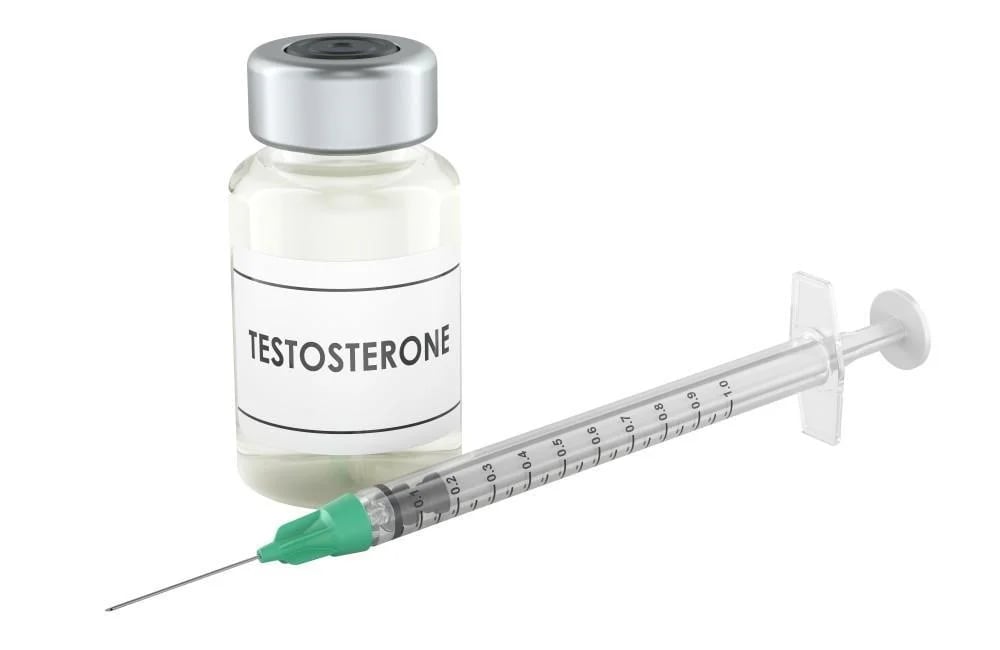
What to Expect from Testosterone Shots
Curious about testosterone therapy but not sure if receiving shots is right for you? Testosterone replacement therapy can dramatically alter your life if you struggle with low T. Here’s why.
Starting testosterone therapy comes with a fair amount of relief for most patients, finally, an explanation for the fatigue, the mood changes, the frustrating plateau. But relief often comes paired with a new worry: what if something goes wrong once treatment actually starts? At Liondale Medical, Lionel Bissoon, DO, walks every patient through what to realistically expect before their first injection, precisely so that ordinary, manageable side effects don't get mistaken for something more serious, and so genuine warning signs don't get dismissed as nothing.
This kind of preparation matters more than it might seem. Patients who understand what's genuinely normal versus what deserves a call tend to stay on treatment consistently and get better results, simply because they're not second-guessing every minor sensation or, at the other extreme, ignoring something that actually needs attention. Anxiety about side effects, left unaddressed, is one of the more common reasons patients discontinue a treatment that was otherwise working well for them.
Most patients experience at least one of these at some point during treatment, and none of them, on their own, are cause for alarm.
Injection site reactions are the most frequently reported issue: mild redness, soreness, or a small bruise where the needle went in. This typically resolves within a day or two and responds well to basic care like a cold compress if it's bothersome.
Mood and energy fluctuations, particularly in the days immediately following an injection, are common as your body adjusts to the shift in hormone levels. Some patients notice feeling unusually energized or even slightly irritable for a day or two after a dose, an effect tied to the temporary peak in testosterone levels that follows an injection before they gradually settle.
Increased oil production and occasional acne, especially on the back, chest, or face, show up in a meaningful number of patients, particularly in the first several months of treatment as the body adjusts to higher testosterone levels.
Fluid retention, showing up as mild swelling in the ankles or a general sense of puffiness, happens in some patients, usually mild and usually manageable without stopping treatment.
Changes in red blood cell count are common enough that they're built into routine monitoring rather than treated as a surprise. Testosterone stimulates red blood cell production, and while this is often a benign, even beneficial effect, it needs tracking through periodic bloodwork to make sure levels stay within a healthy range.
These are less common but genuinely worth reaching out about rather than waiting for your next scheduled visit.
Significant mood changes that go beyond mild irritability, real shifts in mood stability, unusual aggression, or anything that concerns you or people close to you, deserve a conversation with Dr. Bissoon promptly.
Persistent or worsening acne that doesn't improve after the initial adjustment period, particularly if it's affecting your confidence or daily life, is worth discussing, since dose or delivery method adjustments can often help.
Excessive sweating beyond what feels like a mild, occasional occurrence is worth mentioning, especially if it's new and disruptive, since it can signal levels running higher than intended. Our separate piece on high testosterone symptoms and sweating covers this specific symptom in more depth.
Noticeable swelling that doesn't resolve, particularly if it's accompanied by shortness of breath or chest discomfort, warrants prompt medical attention rather than a wait-and-see approach.
Sleep disruption significant enough to affect your daily functioning is worth flagging, since dosing schedule or delivery method adjustments sometimes resolve it.
These are rare, but patients should know what they look like so there's no hesitation about seeking care if they occur.
Chest pain, difficulty breathing, or sudden swelling in one leg specifically (as opposed to general mild ankle puffiness) could indicate a blood clot, a rare but serious risk associated with elevated red blood cell counts, and requires emergency evaluation, not a call to schedule a routine follow-up.
Signs of a significant allergic reaction, difficulty breathing, swelling of the face or throat, hives spreading rapidly, require emergency care immediately.
Severe mood changes, particularly thoughts of self-harm or a significant, uncharacteristic shift in mental state, should be treated as urgent and discussed immediately with a provider or, if severe, addressed through emergency mental health resources.
A meaningful number of side effects trace back to dosing that's slightly off for your particular body, not to testosterone therapy being inherently problematic. Dr. Bissoon starts with a conservative, individualized dose and adjusts based on your bloodwork and how you actually respond, rather than a fixed protocol applied identically to every patient. Delivery method plays a role too. Injections create a temporary peak in hormone levels followed by a gradual decline before the next dose, which is part of why some side effects, mood shifts especially, cluster around the days immediately following an injection. Patients who find this fluctuation bothersome sometimes do better with a different delivery method, gels or pellets, for instance, that maintain steadier levels rather than a pronounced peak and trough pattern.
This is a big part of why ongoing follow-up matters more than a single prescription handed out and left alone. Regular bloodwork tracks not just testosterone levels themselves but red blood cell count, estradiol, liver function, and prostate-specific markers in men, depending on age and history. This monitoring is what catches an emerging issue, like red blood cell counts trending too high, before it becomes symptomatic or serious. Our men's health program is built around this kind of ongoing tracking specifically, rather than treating your first bloodwork panel as the only one that matters.
The frequency of this monitoring typically follows a predictable pattern: more frequent check-ins during the first few months while your dose is being fine-tuned, then spacing out to a quarterly or semi-annual schedule once your levels have stabilized and you've settled into a routine that's working well. Patients sometimes assume that once they feel good, monitoring becomes optional, but bloodwork can catch a developing issue, elevated red blood cell count especially, well before it produces any symptom you'd notice on your own. This is precisely why ongoing labs remain part of the plan even for patients who feel completely fine.
Most of the milder, expected side effects, injection site soreness, mild mood fluctuation, occasional acne, tend to be most noticeable in the first one to three months of treatment as your body adjusts to a new hormonal baseline. For many patients, these effects diminish or resolve entirely as treatment continues and your body settles into a more stable pattern. Side effects that persist well beyond this initial adjustment window, or that worsen rather than improve, are exactly the kind of pattern worth bringing up at your next appointment rather than assuming they're simply part of the process indefinitely.
It's easy to fall down an internet research hole and come away more anxious than informed, since forums and unverified sources often amplify rare, severe outcomes disproportionately relative to how common they actually are in clinical practice. The side effects covered here reflect what's genuinely documented and commonly discussed in clinical settings, not an exhaustive list of every rare possibility. If you're ever unsure whether something you're experiencing is expected or worth flagging, the more reliable move is asking your own provider directly rather than trying to diagnose yourself against anecdotes from people whose dosing, health history, and monitoring may look nothing like yours.
Some patients, once they notice a side effect, are tempted to simply skip a dose or adjust the amount themselves rather than waiting to discuss it with their provider. This tends to backfire. Inconsistent dosing can actually worsen the peak-and-trough fluctuation that causes some side effects in the first place, and it removes the data Dr. Bissoon needs to accurately interpret your next set of bloodwork. If something feels off, the more effective move is a phone call or message to your provider, not a self-directed change to your regimen.
Patients who go into testosterone therapy with a clear, realistic sense of what to expect tend to handle the adjustment period with far less anxiety than those who go in without that context. Knowing that mild injection site soreness or a temporary mood fluctuation is expected, rather than alarming, changes how a patient experiences that first month of treatment entirely. This is exactly why Dr. Bissoon spends real time on this conversation before your first injection rather than handing you a prescription and a pamphlet.
Testosterone therapy works best as part of a broader, ongoing relationship with your provider rather than a set-it-and-forget-it prescription. Patients interested in how bioidentical hormone therapy compares to other formulations can find useful context in our guide to bioidentical versus synthetic hormones. And for a fuller picture of what an initial testosterone evaluation and treatment plan looks like from the very beginning, our overview of what to expect from testosterone shots covers that starting point in more detail. Patients whose side effects specifically involve unexplained sweating or skin changes may also find it useful to review our pieces on high testosterone symptoms and, for the opposite pattern, low testosterone and acne, since both cover skin and sweat-related symptoms from different hormonal directions. And for patients managing side effects alongside broader recovery or inflammation concerns, our anti-aging program looks at the fuller hormonal and metabolic picture together.
If you're starting testosterone therapy or experiencing side effects you're unsure about, schedule a consultation with Dr. Bissoon at Liondale Medical.
Injection site soreness, temporary mood or energy fluctuations, increased oil production or acne, mild fluid retention, and changes in red blood cell count tracked through routine bloodwork.
Chest pain, difficulty breathing, sudden swelling in one leg, signs of severe allergic reaction, or severe mood changes including thoughts of self-harm all warrant emergency care.
Most mild, expected side effects are most noticeable in the first one to three months of treatment and tend to diminish as your body adjusts to a stable hormonal baseline.
Yes, for some patients. Injections create a peak-and-trough pattern that can contribute to certain side effects, and alternatives like gels or pellets that maintain steadier levels sometimes work better.
No, self-adjusting your dose without medical guidance can worsen fluctuation-related side effects and complicates how your provider interprets your bloodwork. Contact your provider instead.
Regular bloodwork tracks red blood cell count, estradiol, liver function, and other markers, catching emerging issues before they become symptomatic or serious.
This page was written and medically reviewed by Lionel Bissoon, D.O., founder of Liondale Medical. Dr. Bissoon is a board-certified osteopathic physician specializing in anti-aging and concierge medicine on the Upper West Side of Manhattan.
This content is for educational purposes only and does not constitute medical advice. Individual results may vary. Consult a qualified physician before beginning any new treatment.
Published