
TRT and Fertility in NYC: How Testosterone Shots Affect Sperm and How to Protect Your Options
TRT and fertility in NYC: how testosterone shots lower sperm counts, recovery timelines, hCG and clomiphene options, and the labs to get before you start.
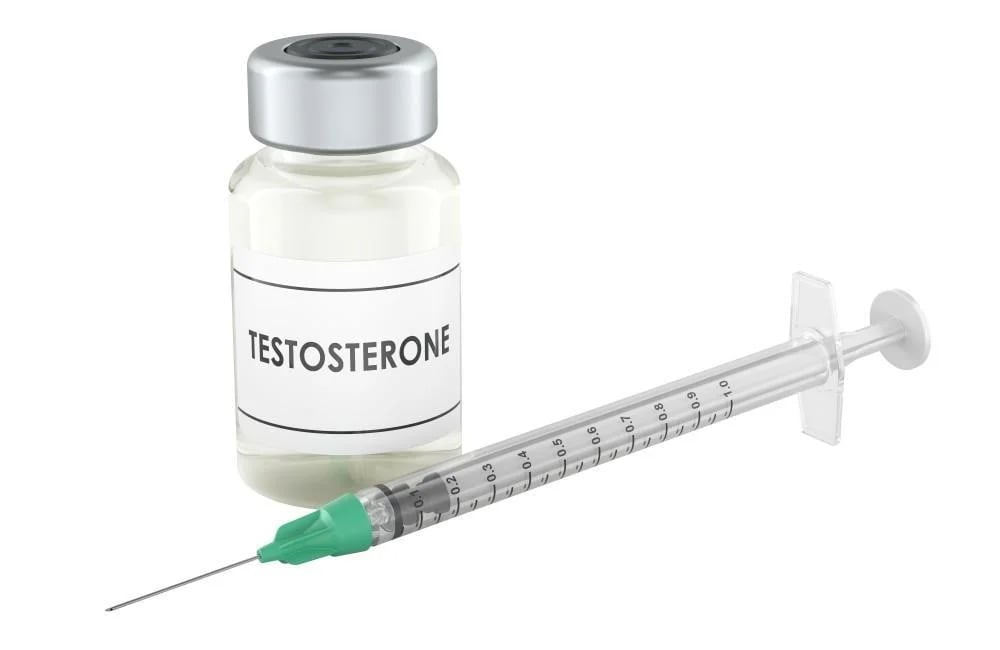
About 40% of men over 40 have low testosterone levels, which can lead to fatigue, muscle loss, low sex drive, and numerous other undesirable symptoms. Various forms of testosterone treatment exist, but many people choose injections because they offer more consistent, predictable results than other delivery methods.
Visit with Lionel Bissoon, DO, at Liondale Medical on the Upper West Side of Manhattan in New York City, to take advantage of testosterone shots. Here is what you can expect, from your first evaluation through the changes you may notice over time.
Testosterone shots contain a lab made version of the testosterone hormone that is structurally identical to the one your body naturally produces. These shots boost testosterone in your body to ease bothersome symptoms like fatigue, low libido, and reduced muscle mass. We administer the injections approximately every one to two weeks, though this varies from person to person depending on your dosage and how your body metabolizes the hormone, and you can also inject the hormone yourself at home once you are comfortable with the process.
In addition to shots, testosterone is also available as a skin gel, patch, pellet, tablet, pill, or nasal gel. Injections tend to be one of the more popular options because they allow for precise dosing and steady hormone levels between appointments, rather than relying on daily absorption through the skin, which can vary based on activity level, sweating, or skin contact with others.
Dr. Bissoon determines if you are a candidate for testosterone shots by discussing your symptoms, reviewing your medical history, completing a physical exam, and ordering blood tests to assess your current hormone levels. This step matters because symptoms like fatigue or low libido can stem from several different causes, and bloodwork is the only reliable way to confirm testosterone is actually the issue rather than something else, like a thyroid imbalance or a sleep disorder.
Testosterone in any form is a controlled substance, and Dr. Bissoon requires bloodwork every three months for all patients taking testosterone to keep levels within a safe and effective range. You might not be a candidate if you have heart problems, certain cancers, other chronic conditions, or take specific medications that could interact with hormone therapy. This is discussed openly during your evaluation so you understand exactly why a particular treatment path is or is not recommended for you.
Testosterone shots are injected into the muscle or beneath the skin. You might feel a tiny pinch when injecting testosterone yourself or when Dr. Bissoon administers the shot, but this lasts just a few seconds. We offer injections at the Liondale Medical office weekly or as needed, based on your treatment plan.
Dr. Bissoon shows you how to inject the hormone, allowing you to complete injections yourself at home if you prefer that option. Inject testosterone under the skin in the right or left side of your stomach, avoiding the area near your belly button, or as directed by your treatment plan. Rotating the injection site slightly each time helps reduce irritation at any single spot.
Common temporary side effects include redness or swelling at the injection site, which usually resolves within a day or two. No downtime is needed afterward, and most people return to their normal routine immediately. Store testosterone shots at room temperature away from light, and follow directions exactly as instructed to preserve the medication's effectiveness. Follow up with us periodically so we can check your hormone levels and ensure they remain within a desirable range, adjusting your dose if needed.
Testosterone therapy is not a set it and forget it treatment. Levels that run too low leave symptoms unresolved, while levels that run too high can bring their own side effects, including elevated red blood cell counts or mood changes. Working with a provider in New York City who monitors your bloodwork every three months, rather than ordering testosterone online without supervision, is what keeps treatment both effective and safe over the long run.
Dr. Bissoon also adjusts your plan as your life changes. Stress, weight changes, new medications, and even seasonal shifts in sleep and activity can all affect how your body responds to a given dose, which is why ongoing, in person follow up tends to produce better long term results than a one time prescription with no monitoring.
Results build gradually rather than all at once, which is worth knowing going in so you can track progress realistically instead of expecting immediate change.
Sticking with the follow up bloodwork schedule during this period is what allows Dr. Bissoon to fine tune your dose so you reach a stable, comfortable range rather than overshooting or undershooting it.
During the days, weeks, and months after beginning testosterone shots, you may notice the following benefits:
These benefits often build gradually, so tracking how you feel over time, rather than expecting an overnight transformation, can help you gauge your progress accurately and communicate it clearly to Dr. Bissoon at follow up visits.
Most people tolerate testosterone shots well, but it helps to know what to watch for beyond the mild injection site redness already mentioned. Some people notice acne, mild fluid retention, or an increase in red blood cell count, which is one of the main reasons regular bloodwork is required rather than optional. Less commonly, people report mood changes or sleep disturbances, particularly if the dose needs adjusting. Reporting any new or unusual symptom promptly allows your dose to be corrected before it becomes bothersome, which is far easier than managing a larger problem later.
Medical treatment addresses the hormone deficiency directly, but daily habits influence how well your body responds to it.
None of these replace medical supervision, but they meaningfully affect how much benefit you actually feel from treatment.
For people who have never had their hormones tested before, the process is often more straightforward than expected. Your first visit typically starts with a conversation about your symptoms, including when they began, how they have changed over time, and whether they affect your daily life, work, or relationships. Dr. Bissoon then reviews your medical history and completes a physical exam before ordering bloodwork.
The bloodwork itself usually checks total and free testosterone, along with related markers like estradiol, luteinizing hormone, and a complete blood count, since red blood cell levels need to be monitored throughout treatment. Some patients also have thyroid function checked at the same time, since thyroid imbalances can produce similar symptoms to low testosterone, including fatigue and low mood, and ruling this out helps confirm testosterone therapy is actually the right path forward.
Once results come back, Dr. Bissoon walks through what they mean in plain terms, rather than handing over a lab report full of unfamiliar numbers. If testosterone therapy is appropriate, your starting dose and injection schedule are set based on your levels, body weight, and symptom severity, with adjustments made at your three month follow up based on how your levels and symptoms have responded.
Understanding why injections are often preferred helps set expectations for what treatment will feel like day to day.
| Delivery method | Dosing consistency | Frequency | Common drawback |
|---|---|---|---|
| Injections | Steady, predictable levels between doses | Every one to two weeks | Requires comfort with self injection or regular office visits |
| Topical gel | Can vary based on skin absorption and sweating | Daily | Risk of transfer to others through skin contact |
| Patch | Moderate consistency | Daily | Can cause skin irritation at the application site |
| Pellets | Very steady over the pellet's lifespan | Every three to six months | Requires a minor in office procedure to insert |
There is no single best option for everyone. The right choice depends on your lifestyle, comfort with needles, and how your body responds to each method, which is part of what gets discussed during your initial evaluation.
A few misconceptions come up often enough that they are worth addressing directly.
Myth: Testosterone shots are the same as anabolic steroids used for bodybuilding. Medically supervised testosterone replacement therapy uses doses designed to restore levels to a normal physiological range, monitored closely with bloodwork. This is different from the much higher, unsupervised doses associated with steroid misuse, which carry significantly greater health risks.
Myth: Once you start testosterone therapy, you can never stop. While many people continue treatment long term because it addresses an ongoing hormone deficiency, treatment can be adjusted or discontinued under medical supervision if your circumstances change.
Myth: Testosterone therapy is only for older men. Low testosterone can affect men in their thirties and even younger in some cases, often linked to stress, sleep issues, or other underlying health conditions rather than age alone. Women can also have testosterone imbalances that benefit from treatment.
Testosterone shots are worth discussing with Dr. Bissoon if you are experiencing persistent fatigue, reduced muscle mass despite regular exercise, low libido, difficulty concentrating, or mood changes that do not have an obvious explanation. These symptoms alone do not confirm low testosterone, but they are common enough among people who turn out to have it that they are worth investigating with bloodwork rather than dismissing as normal aging or stress.
We also offer intravenous (IV) therapy, nutrition therapy, ozone treatment, hair loss treatment, regenerative medicine, and other anti-aging solutions to help you look and feel your best at every age. Many patients combine testosterone therapy with one or more of these treatments for a more complete approach to hormonal health.
Contact us today at Liondale Medical by phone or email to learn more about testosterone shots and if they are right for you.
Most people receive injections every one to two weeks, though the exact schedule depends on your individual dosage and how your body metabolizes the hormone. Dr. Bissoon determines the right frequency based on your bloodwork and how you respond to treatment.
Yes. Dr. Bissoon shows you how to inject the hormone safely, and many patients prefer administering their own shots at home once they are comfortable with the technique, rather than scheduling an office visit each time.
Common temporary side effects include redness or swelling at the injection site. Less common effects can include acne, fluid retention, or changes in red blood cell count, which is why regular bloodwork every three months is required for anyone on testosterone therapy.
Many people notice an early lift in energy within two to four weeks, with libido improvements often following around six to eight weeks. Changes in muscle mass and body composition typically become more visible after three to six months of consistent treatment.
Not necessarily. Testosterone is a controlled substance, and candidates are screened for heart problems, certain cancers, and other chronic conditions or medications that could interact with hormone therapy. A full evaluation with bloodwork determines whether it is a safe option for you.
Injections allow for precise, steady dosing between appointments, while gels, patches, and pellets rely on absorption through the skin or slow release, which can be less predictable. Many people choose shots specifically because the dosing is more consistent.
For men, testosterone shots typically restore energy, support muscle mass and strength, improve libido and erectile function, and help stabilize mood. They work by bringing testosterone levels that have declined due to age or an underlying condition back into a healthy, physiological range.
The most commonly reported benefits include more energy, improved sexual desire and function, reduced body fat, increased muscle mass, sharper mental clarity, and a general improvement in mood and quality of life. These benefits tend to build gradually over the first several months of consistent treatment rather than appearing all at once.
Published