Sleep Apnea and Low Testosterone: Why Fixing Your Sleep Can Change Your Hormones
Sleep apnea and low testosterone often occur together. Learn the questions to ask, what a sleep study and hormone labs show, and how treating sleep can help.

Men researching testosterone replacement therapy in NYC often arrive at their first conversation about the topic with more questions than clarity, having encountered everything from clinical explanations to exaggerated wellness marketing claims. Understanding what the process actually involves, from initial evaluation through ongoing treatment and monitoring, helps men approach this decision with realistic expectations rather than relying on secondhand impressions. At Liondale Medical, testosterone replacement therapy is offered as part of Dr. Lionel Bissoon's broader approach to men's health, grounded in individualized diagnostics rather than a standardized protocol applied to every man who inquires.
Testosterone plays a role in a wide range of physiological functions beyond the commonly recognized effects on libido and muscle mass, including energy levels, mood regulation, cognitive clarity, sleep quality, and bone density. Because these symptoms overlap considerably with signs of general fatigue, stress, or normal aging, many men live with a testosterone deficiency for years without recognizing it as a specific, treatable hormonal issue. Common signs worth discussing with a physician include persistent fatigue not explained by sleep or lifestyle factors, a noticeable decline in libido or sexual function, difficulty building or maintaining muscle mass despite consistent exercise, low mood or a general sense of diminished motivation, and difficulty concentrating.
Liondale Medical's blog on warning signs of a testosterone imbalance explores this symptom pattern in more detail, helping men recognize when their experience might warrant further evaluation rather than simply attributing these changes to getting older.
Testosterone levels cannot be reliably assessed based on symptoms alone, since the same symptom pattern can result from a range of underlying causes beyond low testosterone, including thyroid dysfunction, sleep disorders, or other hormonal imbalances. Blood testing is the only reliable way to confirm whether testosterone levels fall below an appropriate range for a given patient's age, and Dr. Bissoon typically evaluates not just total testosterone but also free testosterone, along with other relevant markers such as luteinizing hormone and sex hormone-binding globulin, to build a complete picture of what is actually driving a patient's symptoms.
This thorough diagnostic approach matters because testosterone replacement therapy is not an appropriate treatment for every man experiencing fatigue or low libido, and beginning treatment without confirming a genuine deficiency through proper testing risks masking an entirely different underlying issue that deserves its own specific evaluation and treatment.
Once a genuine testosterone deficiency has been confirmed through testing, several delivery methods are available, each with its own considerations. Injectable testosterone, typically administered on a weekly or biweekly schedule, remains one of the most common and well-established delivery methods, offering predictable absorption and dosing control. Topical gels or creams applied daily to the skin offer a needle-free alternative, though absorption can vary more between individuals and requires careful attention to avoid transferring the medication to others through skin contact.
Pellet implants, inserted beneath the skin and releasing testosterone gradually over several months, offer a lower-maintenance option for men who prefer not to manage a more frequent dosing schedule. Dr. Bissoon discusses the trade-offs of each delivery method directly with patients, helping them choose an approach that fits both their physiological response and their lifestyle preferences. The practice's post on what to expect from testosterone shots walks through the injectable approach in further detail for patients considering that specific option.
An initial consultation for testosterone replacement therapy at Liondale Medical involves a thorough review of symptoms, medical history, and any prior lab work, followed by a discussion of what additional testing is needed to confirm a diagnosis. Dr. Bissoon also reviews factors that could affect candidacy or treatment planning, including any history of prostate concerns, cardiovascular health, and fertility considerations, since testosterone therapy can affect natural sperm production in men who may want to preserve fertility.
This comprehensive initial evaluation reflects the broader precision medicine philosophy that defines care throughout the practice, ensuring that a decision to begin testosterone replacement therapy is grounded in a complete understanding of each patient's individual health picture rather than a generic response to reported symptoms alone.
Testosterone replacement therapy is not a start-and-forget treatment. Ongoing monitoring through periodic blood testing is an essential part of the process, allowing Dr. Bissoon to confirm that testosterone levels are reaching an appropriate therapeutic range, adjust dosing as needed, and monitor for any changes in related markers, including red blood cell count, which can increase during testosterone therapy and requires periodic monitoring to manage safely.
This ongoing oversight is one of the key reasons working with a physician who takes an individualized, monitored approach matters considerably more for a treatment like testosterone replacement therapy than it might for a lower-risk wellness intervention, given the physiological systems testosterone affects throughout the body.
Men beginning testosterone replacement therapy for a confirmed deficiency often notice improvements in energy levels, mood, and libido within the first several weeks to months of beginning treatment, though the specific timeline and degree of improvement vary by individual. Improvements in muscle mass and body composition, when combined with appropriate exercise, generally take longer to become apparent, often several months into consistent treatment.
Dr. Bissoon sets realistic expectations with patients from the outset, avoiding the kind of dramatic, immediate transformation sometimes implied in less rigorous wellness marketing, and instead focusing on a gradual, monitored improvement in symptoms and overall well-being that reflects genuine physiological correction rather than an overstated promise.

One consideration that deserves particular attention for younger men considering testosterone replacement therapy is the effect on natural testosterone and sperm production. Because external testosterone signals the body's own hormonal regulation system to reduce its natural production, men undergoing testosterone replacement therapy typically experience some reduction in natural testicular function, including sperm production, while on treatment. This is an important discussion point for men who may want to have children in the future, and Dr. Bissoon addresses this directly during the initial consultation, discussing options such as fertility preservation or alternative treatment approaches when this is a relevant concern for a specific patient.
At Liondale Medical, testosterone replacement therapy is rarely treated as an isolated intervention disconnected from a man's broader health picture. Dr. Bissoon often situates testosterone therapy within a more comprehensive approach to men's health that may include attention to sleep quality, stress management, nutrition, and other hormonal considerations, since testosterone levels do not exist in isolation from a man's overall physiological state. This integrated approach reflects the practice's broader philosophy of precision, individualized care rather than treating a single hormone level as the sole determinant of a man's health and vitality.
Men experiencing a persistent pattern of the symptoms described earlier, particularly if these symptoms have developed gradually and do not have another clear explanation, are reasonable candidates for testosterone testing, regardless of age, though testosterone deficiency becomes more common with advancing age. Men who are already generally aware of a family history of low testosterone or related hormonal conditions may also want to consider proactive testing even in the absence of pronounced symptoms, as part of a broader preventive health strategy.
If you are experiencing symptoms that might be related to low testosterone and want a thorough, individualized evaluation, schedule a consultation with Dr. Bissoon's office at Liondale Medical today.
Low testosterone, clinically referred to as hypogonadism, is generally categorized into two distinct types, and understanding which type a patient has meaningfully affects both the diagnostic process and treatment considerations. Primary hypogonadism originates from a problem within the testes themselves, affecting their ability to produce adequate testosterone despite receiving normal signaling from the brain. Secondary hypogonadism, by contrast, originates from a problem in the signaling pathway from the brain, specifically involving the hypothalamus and pituitary gland, which fail to send adequate signals to the testes even though the testes themselves may be capable of normal function if properly stimulated.
Dr. Bissoon's diagnostic evaluation includes testing relevant to distinguishing between these two categories, since the underlying cause can have implications beyond simply confirming low testosterone itself, sometimes prompting additional evaluation of pituitary function or other related hormonal systems depending on the specific pattern of test results.
Beyond the commonly discussed effects on energy, mood, and libido, testosterone plays a meaningful role in metabolic health, including how the body manages blood sugar and stores fat. Men with low testosterone frequently show a pattern of increased body fat, particularly around the midsection, alongside reduced muscle mass, changes that can compound over time and contribute to broader metabolic concerns if left unaddressed. Some research has explored associations between low testosterone and increased risk of developing conditions like type 2 diabetes, though the relationship between these factors is complex and involves multiple contributing variables rather than a simple, direct causal relationship in every case.
Dr. Bissoon considers this broader metabolic context when evaluating and treating testosterone deficiency, recognizing that addressing low testosterone appropriately can support broader metabolic health goals alongside the more immediately noticeable symptoms like fatigue and reduced libido that often bring men in for evaluation in the first place.
Understanding the typical progression of testosterone replacement therapy over time helps men set realistic expectations for their own treatment course. In the first few weeks, most men notice subtle improvements in energy and mood as testosterone levels begin rising toward an appropriate therapeutic range, though these early changes are often modest rather than dramatic. By two to three months, many men report more noticeable improvements in libido, energy consistency throughout the day, and mental clarity, alongside the first blood testing checkpoint used to confirm testosterone levels have reached an appropriate range and to make any necessary dosing adjustments.
Between three and six months, changes in body composition, including modest increases in muscle mass and reductions in body fat, typically become more apparent, particularly when treatment is combined with consistent exercise and appropriate nutrition. Beyond six months, most men have reached a stable, well-established treatment routine, with ongoing periodic monitoring continuing indefinitely to ensure testosterone levels remain in an appropriate range and to watch for any changes in related health markers over the longer term.
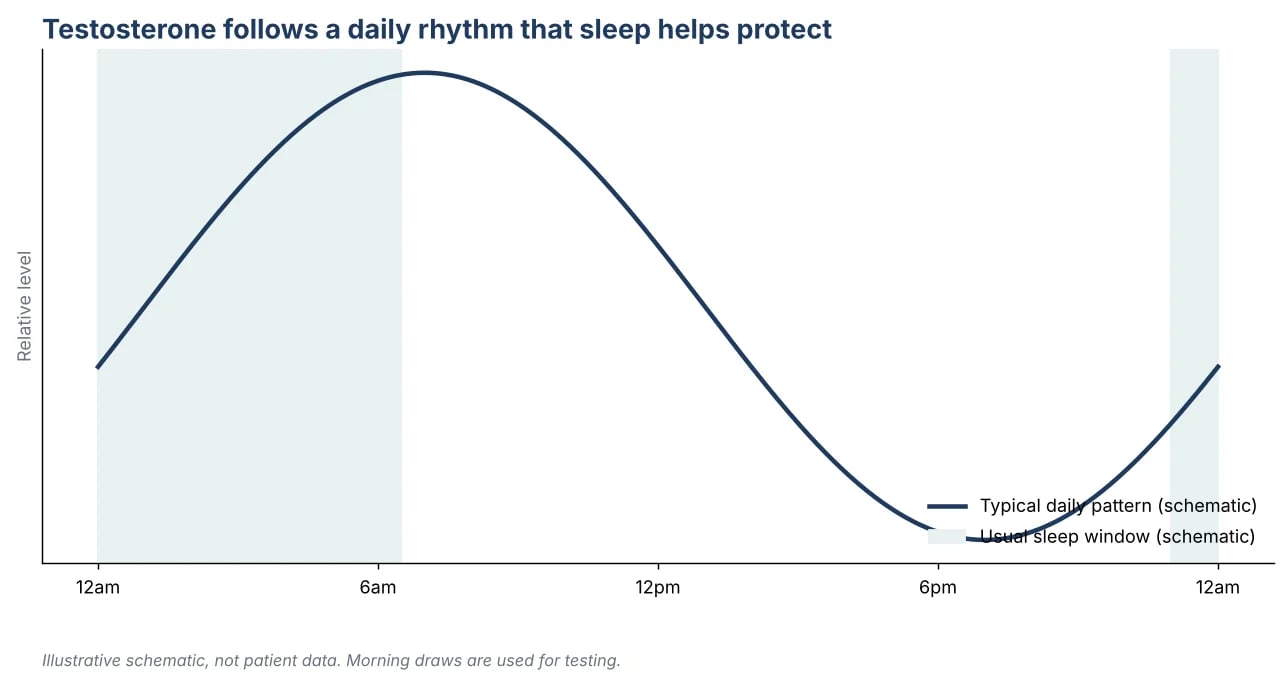
Before or alongside testosterone replacement therapy, Dr. Bissoon often discusses lifestyle factors that can meaningfully influence a man's natural testosterone production, since addressing these factors can sometimes reduce the degree of therapeutic intervention needed or support better overall results when combined with treatment. Adequate, consistent sleep plays a particularly significant role, since testosterone production follows a natural daily rhythm heavily influenced by sleep quality and duration, with chronic sleep deprivation associated with measurably lower testosterone levels in multiple studies.
Body composition also matters considerably, since excess body fat, particularly visceral fat around the abdominal organs, is associated with increased conversion of testosterone into estrogen through a process involving an enzyme found in fat tissue, meaning that weight management can play a meaningful supportive role in a man's overall hormonal health. Chronic stress and elevated cortisol levels can also suppress testosterone production over time, making stress management a relevant, if sometimes overlooked, component of a comprehensive approach to supporting healthy testosterone levels.
The growing public interest in testosterone optimization has unfortunately also given rise to a range of unregulated products and sources, including testosterone obtained without appropriate medical oversight through informal channels. These unregulated sources carry significant risks, including inconsistent or unknown actual dosing, absence of appropriate baseline testing and ongoing monitoring, and no physician oversight to catch and address potential complications before they become serious. Dr. Bissoon strongly encourages men considering testosterone therapy to pursue this treatment exclusively through appropriate medical channels involving proper testing, individualized dosing, and ongoing monitoring, rather than through unregulated alternatives that carry meaningfully higher risk without the safety infrastructure that legitimate medical supervision provides.
Patients beginning testosterone replacement therapy at Liondale Medical can expect a structured, ongoing care relationship rather than a one-time prescription handed off without further oversight. Initial follow-up testing typically occurs within the first several weeks to months to confirm appropriate response and make any needed dosing adjustments, followed by regular periodic monitoring, generally every six months to a year once a stable, effective dose has been established, continuing for as long as the patient remains on treatment. This ongoing structure reflects Dr. Bissoon's broader commitment to treating testosterone replacement therapy as an active, continuously managed treatment relationship rather than a static intervention that, once started, requires no further attention.
One area that has generated considerable public discussion and some conflicting research findings involves the relationship between testosterone replacement therapy and cardiovascular health. Earlier studies raised some concern about a possible increased cardiovascular risk associated with testosterone therapy, prompting considerable additional research attention to this specific question in the years since. More recent, larger-scale research has generally provided more reassurance regarding cardiovascular safety for appropriately screened, monitored patients, though this remains an area where ongoing research continues and where individual patient risk factors matter considerably in determining overall risk.
Dr. Bissoon takes cardiovascular health seriously as part of the pre-treatment evaluation for testosterone replacement therapy, reviewing relevant cardiovascular risk factors and, when appropriate, coordinating with a patient's cardiologist if they have an existing cardiovascular condition, ensuring that testosterone therapy is pursued only within an appropriate overall risk management framework for each individual patient's specific health profile.
Many men experience a degree of hesitation or even embarrassment about seeking evaluation for symptoms potentially related to low testosterone, sometimes viewing these symptoms as a reflection of personal failure or aging in a way that feels uncomfortable to discuss openly, even with a physician. Dr. Bissoon approaches these conversations with directness and without judgment, treating low testosterone as the legitimate, common medical condition it is rather than something requiring embarrassment to discuss.
This comfortable, non-judgmental approach to the conversation itself is an important, if less clinically technical, aspect of care that can make a meaningful difference in whether men feel comfortable seeking evaluation in the first place, rather than continuing to quietly live with symptoms that a straightforward blood test and, if appropriate, treatment could meaningfully improve.
The gradual decline in testosterone that many men experience with aging, sometimes informally referred to as andropause, though this term is used less precisely and consistently than menopause is in women's health, often occurs alongside other age-related physiological changes that can compound or overlap with testosterone-related symptoms. Sleep quality often declines with age independent of testosterone levels, cardiovascular fitness may decrease due to reduced activity levels, and other hormonal systems beyond testosterone can shift gradually as well.
Dr. Bissoon's evaluation considers this broader context of age-related physiological change, ensuring that testosterone replacement therapy is recommended specifically when testing confirms a genuine testosterone deficiency contributing meaningfully to a patient's symptoms, rather than assuming testosterone is automatically the primary driver behind every symptom a man experiences as he ages, some of which may be better addressed through other targeted interventions addressing sleep, cardiovascular fitness, or other specific aspects of overall health.
Not every patient experiences the degree of symptom improvement they were hoping for once testosterone levels have been restored to an appropriate range through treatment. When this occurs, Dr. Bissoon conducts a broader reevaluation, considering whether other underlying factors, beyond testosterone alone, might be contributing to persistent symptoms, whether dosing needs further adjustment, or whether the specific delivery method being used might be affecting how consistently a patient's testosterone levels are maintained throughout the treatment cycle.
This willingness to reevaluate and adjust the treatment approach, rather than assuming testosterone therapy alone will resolve every symptom for every patient, reflects the individualized, responsive approach to care that defines Dr. Bissoon's broader practice philosophy at Liondale Medical.
The connection between testosterone levels and mood is well established, though the relationship is nuanced rather than a simple, direct correlation in every case. Men experiencing depression or anxiety symptoms alongside physical symptoms of low testosterone benefit from a thorough evaluation that considers both possibilities, since testosterone therapy alone is not an appropriate substitute for addressing a primary mental health condition that may exist independently of, or alongside, low testosterone. Dr. Bissoon coordinates with mental health professionals when appropriate, ensuring that testosterone therapy is pursued as part of a comprehensive approach to a patient's overall wellbeing rather than as an isolated intervention assumed to resolve mood concerns on its own.
Men preparing for their first conversation about testosterone replacement therapy benefit from reflecting honestly on their specific symptoms, how long they have noticed them, and what change would feel most meaningful to them personally before their appointment. Bringing any prior lab work, even if performed for an unrelated reason, and being prepared to discuss family health history relevant to hormonal or cardiovascular conditions helps Dr. Bissoon build the most complete picture possible during this important initial evaluation.
For many men, low testosterone symptoms develop so gradually that they simply become the new normal, making it easy to postpone seeking evaluation indefinitely. Dr. Bissoon encourages any man experiencing persistent, unexplained symptoms to take that first step of scheduling a consultation, since a straightforward blood test can provide the clarity needed to determine whether testosterone replacement therapy might genuinely help restore the energy, mood, and vitality that many men assume is simply lost to aging.
The only reliable way to know is through blood testing, since fatigue and related symptoms can stem from many causes beyond low testosterone. A thorough evaluation, including testing multiple relevant hormonal markers, is necessary to confirm a diagnosis.
Many men notice improvements in energy, mood, and libido within several weeks to a few months, while changes in muscle mass and body composition generally take longer and depend on consistent exercise alongside treatment.
It can. External testosterone typically reduces natural sperm production while a man is on treatment, which is an important consideration for men who may want to have children in the future. This should be discussed directly during your consultation.
There is no universally best method. Injectable testosterone, topical gels, and pellet implants each have different trade-offs in terms of dosing consistency, convenience, and individual absorption, and the right choice depends on personal preference and how your body responds.
Yes. Periodic blood testing is an essential part of testosterone replacement therapy, allowing your physician to confirm appropriate dosing and monitor for changes in related markers, including red blood cell count.
This requires careful individual evaluation. A history of prostate concerns is an important factor Dr. Bissoon considers during the initial consultation, and it may affect candidacy or require closer monitoring during treatment.
There is no single age threshold. While testosterone deficiency becomes more common with age, any man experiencing persistent, unexplained symptoms consistent with low testosterone is a reasonable candidate for testing, regardless of age.
This page was written and medically reviewed by Lionel Bissoon, D.O., founder of Liondale Medical. Dr. Bissoon is a board-certified osteopathic physician specializing in anti-aging and concierge medicine on the Upper West Side of Manhattan.
This content is for educational purposes only and does not constitute medical advice. Individual results may vary. Consult a qualified physician before beginning any new treatment.
Published