Sleep Apnea and Low Testosterone: Why Fixing Your Sleep Can Change Your Hormones
Men who come to a hormone clinic often describe the same complaints: they feel tired even after a full night in bed, their libido has dropped, their workouts are stalling, and their mood is flatter than it used to be. Testosterone is a natural suspect, and sometimes it is the right one. But in a meaningful number of men, the underlying problem is sleep. Obstructive sleep apnea and chronic short sleep both have documented effects on testosterone, and they can produce symptoms that look almost identical to primary hormone deficiency.
This article is written as a set of practical questions and answers, the way a patient might ask them in the first consultation. It covers what the research shows, how the two conditions interact, how we work through the workup, and what changes are realistic. It is written for men in New York City who are searching for a men's health specialist and want to understand why sleep belongs in a hormone conversation.
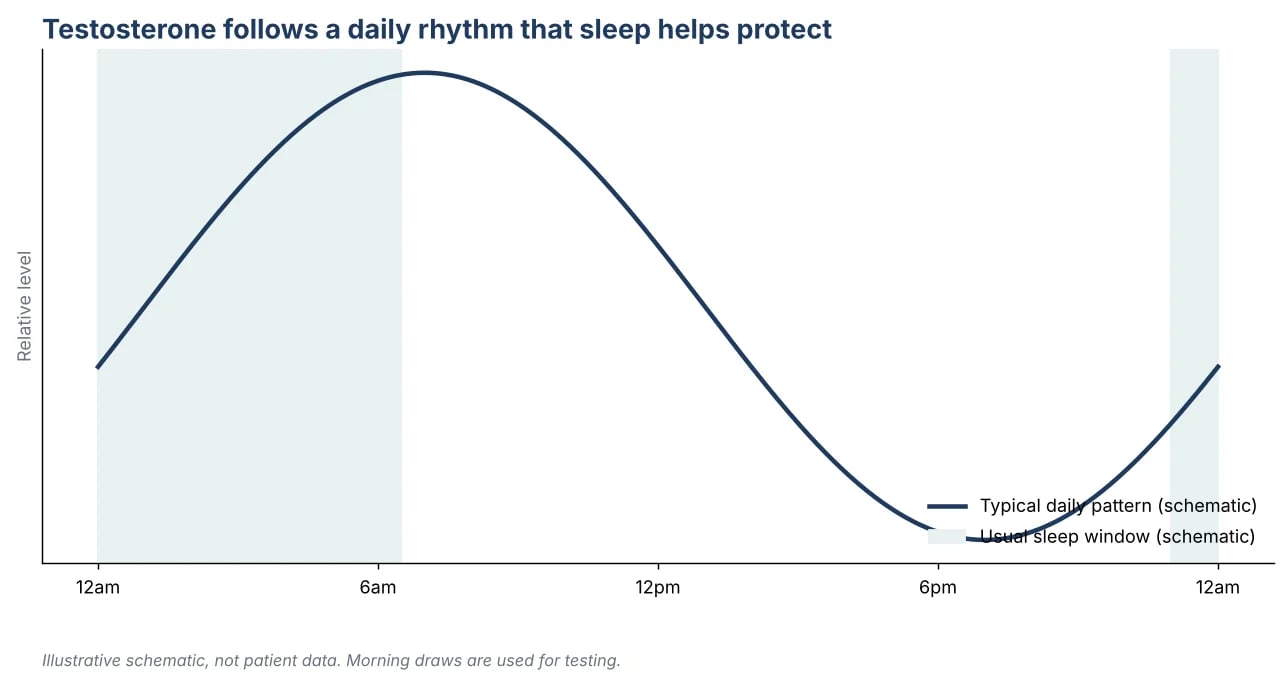
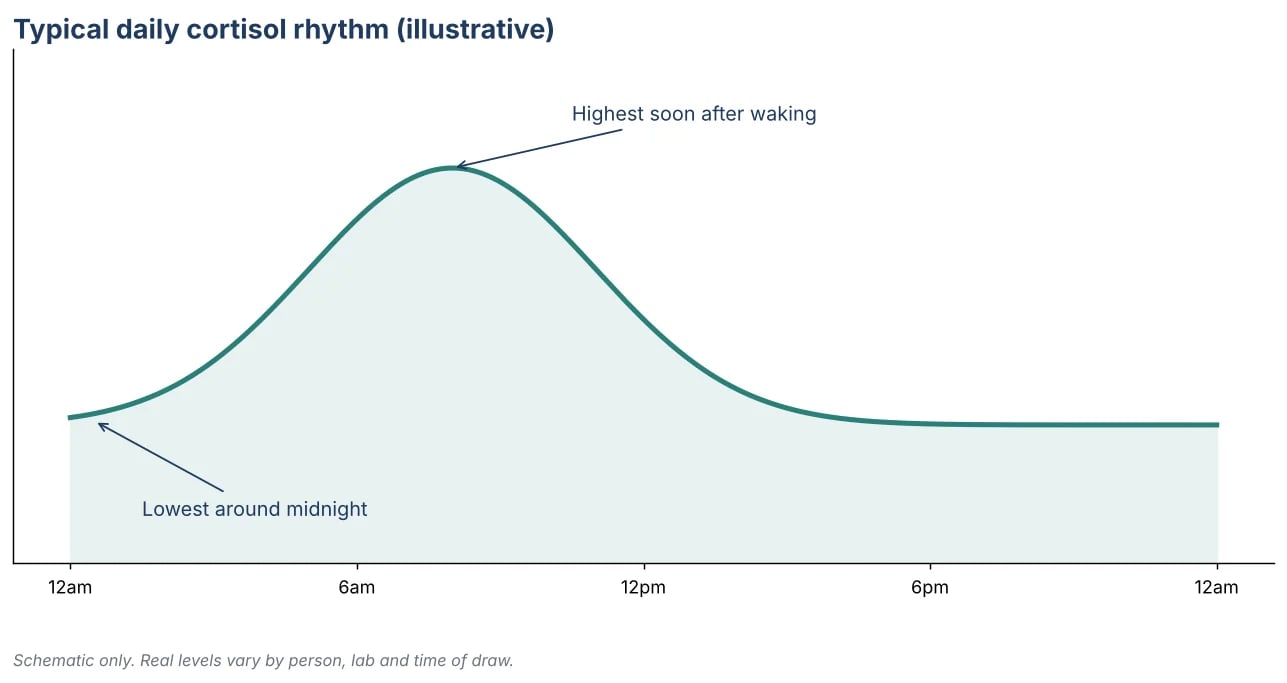
Sleep and hormone rhythm overview (illustrative)
Question 1: Can poor sleep really lower testosterone?
Yes, and the evidence for this is stronger than most men expect. Testosterone follows a daily rhythm, typically peaking in the early morning, and much of that rhythm is tied to sleep. A widely cited experiment published in JAMA in 2011 restricted healthy young men to about five hours of sleep per night for one week. Their daytime testosterone levels fell by roughly 10 to 15 percent, and the change was seen across the day rather than only at night. The men in that study were not sick, and the reduction was reversible with normal sleep. Fatigue can come from either too much or too little testosterone, as explained in testosterone and fatigue: too high or too low.
That finding does not mean a short week of sleep will push a man into hypogonadism. It does show that the hormone system responds to sleep loss quickly, and that chronic poor sleep is a plausible contributor to lower levels. A man who has slept five or six hours per night for years, often without realizing how much it is costing him, may be starting from a lower baseline than his age would predict.
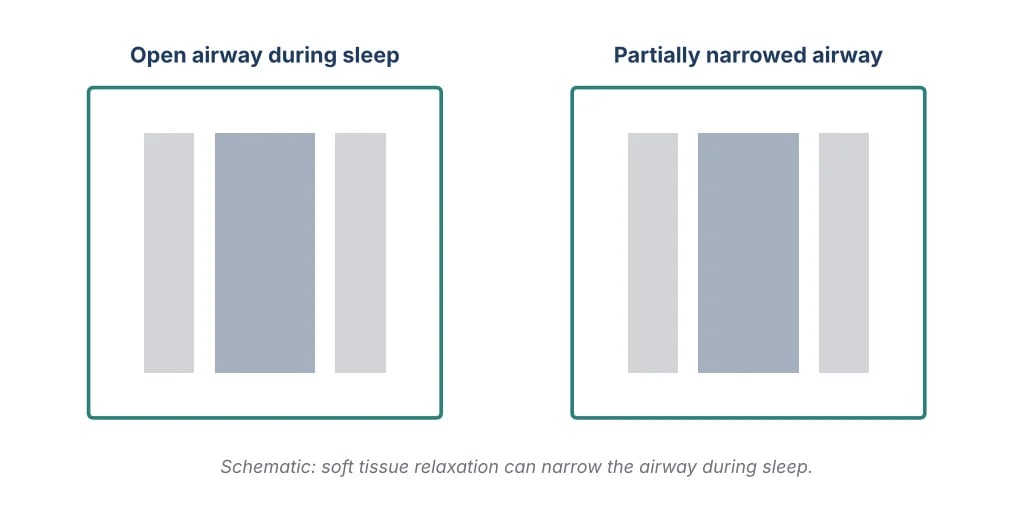
Upper airway during sleep (illustrative)
Question 2: What is obstructive sleep apnea, and why does it matter here?
Obstructive sleep apnea, usually shortened to sleep apnea, occurs when the soft tissues of the throat relax during sleep and partially or fully block the airway. The brain briefly wakes the body to reopen it, often without the person remembering. These events can happen dozens or hundreds of times per night. The result is fragmented sleep, drops in blood oxygen and repeated stress on the cardiovascular system, even when the total time in bed looks adequate. A complete men's workup typically covers more than hormones, and our article on what a full men's health workup covers describes the full panel.
Sleep apnea is strongly associated with excess weight, a thick neck, high blood pressure, and older age, but it also affects men who look lean and healthy. Many men with the condition have never been told they have it. Their partners may notice loud snoring or pauses in breathing, or the man may wake with a dry mouth, morning headaches or the sense that he has not rested at all.
Question 3: Is there a link between sleep apnea and low testosterone?
Several studies have found that men with obstructive sleep apnea are more likely to have low testosterone than men of similar age without the condition. The reasons are not fully understood, but researchers have proposed several contributors. Repeated drops in oxygen and surges in stress hormones may disrupt the signals that control testosterone production. Obesity, which is common in sleep apnea, is itself associated with lower testosterone and higher estrogen conversion. Fragmented sleep reduces the hormone pulses that the body relies on. Some men also take medications or use substances that interfere with both sleep and hormone balance.
The relationship runs in both directions to some extent. Low testosterone has been associated with changes in body composition, muscle tone and fat distribution that can worsen the structural factors behind airway collapse. Men with both conditions often feel that their symptoms are blended together, which is one reason a combined assessment is useful.
Question 4: Can treating sleep apnea improve testosterone?
Some studies of continuous positive airway pressure, the standard CPAP therapy for sleep apnea, have reported modest increases in testosterone among men who use it consistently. The size of the effect varies between studies, and not every man responds. Men who use CPAP regularly, and who sleep more deeply as a result, often report better energy, mood and daytime alertness. Those changes may be due to improved sleep quality as much as any shift in hormone level. The warning signs that deserve a conversation with a doctor are listed in warning signs of a testosterone imbalance.
The honest answer is that treating sleep apnea is worth doing for its own sake, because the condition raises the risk of high blood pressure, irregular heart rhythms, metabolic disease and motor vehicle accidents. Any hormonal benefit is a secondary bonus that should be measured rather than assumed. A man who starts CPAP should not expect his testosterone to rise on a fixed schedule, and a man who is already on testosterone therapy should discuss sleep apnea with his prescriber before changing his dose.
Question 5: What should a man with fatigue and low energy ask about?
A useful first conversation covers the full picture rather than a single lab result. We usually ask about snoring, witnessed pauses in breathing, daytime sleepiness, morning headaches, nighttime waking, the number of hours slept, shift work, alcohol use, medications, and the timing of symptoms. We also ask about libido, erections, mood, energy, body composition, workouts and recovery. A man who says he is always tired is describing something very common and very non-specific, so the questions are designed to narrow the cause. Some men notice gradual changes that are easy to dismiss, which we describe in the hidden signs your hormones are aging faster than you are.
It is also worth asking about your own experience of sleep. Many men are surprised to learn that they have been sleeping poorly for years because they never felt rested enough to notice the difference. A simple exercise is to note your bedtime, wake time, how often you wake at night, and how you feel on waking for two weeks. That record gives the clinician much more information than a memory of a typical night.
Question 6: Which tests are part of the workup?
The hormone part of the workup usually includes a morning blood draw for total testosterone, typically taken before 10 a.m. because levels are highest early in the day. Free testosterone or a calculated free testosterone may be added, along with sex hormone binding globulin, since changes in this protein alter how much testosterone is available. We also check estradiol, luteinizing hormone, follicle-stimulating hormone, prolactin, complete blood count, glucose or HbA1c, lipids, thyroid function and liver and kidney markers. The exact panel depends on the man and his symptoms. Timing matters for hormone and metabolic labs, so read why some blood panels need to be fasted before your draw.
The sleep part of the workup begins with a structured screening questionnaire, such as the STOP-BANG tool, and may progress to a formal sleep study. A home sleep test can be appropriate for some men, while others need an in-lab study, particularly if there are heart or lung conditions or if the first test is unclear. We coordinate with sleep medicine specialists when a formal study is needed, so the two parts of the evaluation are reviewed together rather than separately.
Question 7: Should a man with sleep apnea start testosterone?
Not automatically. Testosterone therapy is a treatment for confirmed low testosterone with compatible symptoms, and it is not a fix for fatigue on its own. Starting testosterone in a man with untreated sleep apnea is a decision that needs careful thought, because testosterone can affect red blood cell count, and sleep apnea is itself linked to changes in blood pressure and cardiovascular risk. In many cases, we recommend treating the sleep disorder first and rechecking hormones after a period of consistent therapy. In other cases, the testosterone deficiency is clear and the two conditions are managed together with monitoring. For men who do start therapy, what the testosterone replacement process actually involves gives a step-by-step overview.
This sequencing is one of the reasons we prefer a full assessment before any prescription. A man who is treated for the wrong problem may feel no better and may lose confidence in the process. A man who receives a combined plan usually has a clearer picture of what is working.
Question 8: What changes are realistic?
Expectations matter. Men who start CPAP often describe waking more refreshed within a few weeks, though it can take longer to adjust to the mask. Improvements in energy, concentration and mood are commonly reported. Sexual function, body composition and hormone levels may change more slowly, and some men notice gradual improvement over several months. The timeline depends on how severe the sleep apnea is, how consistently therapy is used, the man's age and general health, and whether low testosterone is also present. Expectations and side effects are covered in testosterone shot side effects: what's normal and what's not.
For men who also use testosterone therapy, the goal is usually steady hormone levels, symptom relief and careful monitoring of blood counts and other markers. We would rather see a slow, measured improvement that the man can sustain than a rapid change that leaves him with side effects.
Question 9: What lifestyle habits help both problems?
Several habits help sleep and hormones at the same time. Keeping a consistent bedtime and wake time supports the natural hormone rhythm. Limiting alcohol, especially in the evening, reduces airway relaxation and fragmented sleep. Maintaining a healthy weight can reduce the severity of sleep apnea and support testosterone levels, though weight loss must be done gradually and under supervision if medications are involved. Regular strength training supports muscle and metabolic health. Avoiding late, heavy meals and reducing screen exposure before bed can improve sleep onset.
Sleeping on your side rather than your back can reduce airway collapse for some men with mild sleep apnea, and an elevated head position may help. These measures do not replace proper evaluation for moderate or severe disease, but they can be useful additions to treatment.
Question 10: When should I see a doctor?
See a physician if you snore loudly, have witnessed pauses in breathing, wake unrefreshed most days, have morning headaches, or feel persistently drowsy during the day. Also seek a consultation if you notice reduced libido, erectile changes, loss of muscle, increased body fat, or a sense that your energy has fallen over the past year. These symptoms have many possible causes, and the combination of sleep and hormone assessment is designed to identify the right one.
How Liondale Approaches This Question
At Liondale Medical, we treat sleep and hormones as connected systems. Dr. Bissoon reviews sleep history, hormone levels, metabolic markers and symptoms together, and we coordinate sleep testing and specialist referrals when they are needed. We aim to explain each result in plain language, to agree on a plan with the patient, and to recheck progress at sensible intervals. Men in New York City often have demanding schedules that make sleep difficult, and we try to build plans that fit real life. Our men's health services are described on our men's health page.
If you have been told your testosterone is low and you are still exhausted, or if you suspect your sleep may be the real issue, a consultation is a good place to start. You do not need to choose between hormone therapy and sleep treatment before you come in.
Common Myths About Sleep, Testosterone and Aging
One myth is that tiredness is simply part of getting older. Sleep needs do not change dramatically with age, although sleep quality often declines. A second myth is that snoring is harmless. Loud, habitual snoring is a common sign of sleep apnea and should be assessed. A third myth is that testosterone therapy will fix fatigue regardless of cause. Testosterone may help when deficiency is present, but it is not a substitute for diagnosing sleep disorders, thyroid problems, depression, anemia or medication effects. A fourth myth is that you need to be overweight to have sleep apnea. Many men with the condition are of average weight, and the airway anatomy varies widely. If you are weighing delivery options once your plan is set, see testosterone pellets versus testosterone shots.
Practical Checklist Before Your Visit
Before your first appointment, it helps to gather a few things. Write down your typical sleep schedule for two weeks, including how often you wake and how rested you feel. Ask your bed partner, if you have one, whether they have noticed snoring, gasping or pauses. List every medication and supplement you take, along with alcohol habits. Note any family history of sleep apnea, heart disease, diabetes or hormone problems. Bring any recent lab results and sleep tests you have already had. This information allows the consultation to focus on decisions rather than on gathering basic history.
A Closer Look at Sleep Stages and Hormone Recovery
Sleep is not a single state. It cycles through light sleep, deeper slow-wave sleep and rapid eye movement sleep several times a night, and each stage plays a different role in recovery. Deep sleep is associated with growth hormone release and tissue repair, and much of the sleep-related hormone activity happens in the second half of the night. This is one reason that cutting sleep short, even when total time in bed looks reasonable, can affect how a man feels and recovers.
Sleep apnea interrupts these stages repeatedly. Each breathing pause can bring the brain partly out of deep sleep, so a man may spend hours in bed without reaching the restorative stages that support hormone balance. A sleep study measures these interruptions by counting events per hour and recording oxygen dips, and the results help clinicians judge how much the sleep disorder is likely to contribute to symptoms.
Why Men Often Miss the Signs
Many men do not connect their symptoms with sleep. They describe themselves as stressed, busy or getting older. They may have adapted to poor sleep so gradually that they no longer notice how tired they are. Partners often notice snoring and pauses before the man does, and that observation can be the most useful piece of history in the entire assessment. We ask partners to share what they have observed when they are able to attend, or to write down the pattern they have seen.
Men also tend to underreport sexual symptoms, and reduced libido or erectile changes can be embarrassing to discuss. A calm, direct conversation helps. Changes in sexual function can come from hormone shifts, sleep problems, blood vessel health, medication effects, mood and relationship factors, and each one is treatable when it is identified. Naming the symptom early makes the rest of the evaluation more accurate.
Working Through a Realistic Week of Changes
Patients often ask what a practical plan looks like over a typical week. In the first week, the focus is on information: keeping a sleep log, noting energy and mood, reviewing medications, reducing evening alcohol and setting a fixed wake time. In the second and third weeks, the sleep study or referral is usually arranged, and any hormone labs are drawn at the appropriate time of day. If sleep apnea is confirmed, CPAP setup and fitting take place with the sleep team, and it can take several nights to find a comfortable mask and pressure.
Over the following months, the plan shifts toward monitoring. Men are asked to report how their sleep feels, how their energy changes across the day, and whether their libido, workouts and mood are moving in the expected direction. Hormone labs are repeated when the clinical team wants to see the effect of a change, not on a fixed calendar that does not match the man's situation.
Mouth Devices, Positional Therapy and Surgery
CPAP is the most established treatment for moderate to severe sleep apnea, but it is not the only option. Some men with mild disease or who cannot tolerate a mask may be offered a custom oral appliance that moves the lower jaw forward to keep the airway open. Positional therapy, which keeps a man off his back, can help men whose apnea is clearly worse in that position. Surgery and other procedures are reserved for selected cases, and they require evaluation by a specialist who can assess the anatomy of the upper airway.
The right choice depends on severity, anatomy, comfort, travel habits and personal preference. We discuss these options openly, because a treatment that a man will actually use consistently is more useful than an ideal treatment that he abandons after a week.
How Weight, Age and Alcohol Interact With Sleep and Hormones
Weight influences both sleep apnea and testosterone, and the relationship is circular. Excess fat around the neck and upper body can narrow the airway, and abdominal fat is associated with changes in hormone metabolism that tend to lower circulating testosterone. Losing weight gradually, through a combination of nutrition, activity and, when appropriate, medical support, often improves sleep apnea severity. Those changes are worth pursuing for the heart and metabolic benefits alone.
Age is a factor too. Testosterone tends to decline gradually after early adulthood, and sleep architecture changes with age. A man in his fifties with poor sleep and a mild hormone decline may have a different picture from a man in his thirties with the same numbers, so the reference ranges and goals are individualized. Alcohol deserves special mention. Even moderate evening drinking can relax the airway and fragment sleep, and heavier use can suppress testosterone production over time. Reducing alcohol is one of the most reliable changes a man can make without medical supervision.
Exercise, Strength Training and Recovery
Resistance training supports muscle, metabolic health and, in many men, healthier hormone patterns. It also tends to improve sleep quality in people who are not overtraining. The key is consistency and recovery. Very intense training late at night, combined with poor sleep, can raise stress hormones and make recovery harder. A balanced week that includes strength work, moderate cardio and rest days is a better foundation than extreme schedules.
Men who train hard often ask whether they should avoid all testosterone-related supplements. The answer depends on the product, the dose and the presence of medical conditions. Some over-the-counter products contain ingredients that have little evidence behind them and can affect blood pressure or liver function. Any supplement should be reviewed with a clinician, especially for men with sleep apnea, heart disease or existing hormone therapy.
Sleep Problems in Busy New York Schedules
Many men in New York City work long hours, travel for business, or have late dinners and late commutes. Sleep can be squeezed from both ends. We try to make recommendations that fit real life. That might mean moving a workout earlier, setting a firm device curfew an hour before bed, using blackout curtains during daytime sleep for shift workers, or arranging a short nap window on travel days. Small consistent steps are often more effective than an ambitious plan that falls apart by Thursday.
For men who are frequently away, we discuss how to maintain CPAP use while traveling, including portable devices and mask choices. Adherence is one of the biggest predictors of benefit, and planning for travel from the start makes it much more likely that treatment continues.
Keeping Expectations Grounded
It is tempting to hope that one change will solve everything. A better night of sleep may improve energy quickly, while hormone levels and body composition take longer to respond. Sexual function can improve in parallel with sleep, but it may also depend on mood, relationship factors and blood vessel health. We encourage men to track several measures over time, including sleep quality, daytime energy, mood, workout performance and any symptoms they care about most, so that progress is visible even when it is gradual.
When results are slower than hoped, we look for the reason rather than assuming the plan has failed. The sleep study may need adjustment, the mask may need refitting, the hormone timing may need correction, or another condition may need attention. Treating men as partners in this process makes it easier to find the next step.
Testosterone Therapy, Sleep Apnea and Safety Monitoring
Men who already use testosterone therapy and are later diagnosed with sleep apnea need a coordinated plan. Testosterone can increase red blood cell count, and a higher hematocrit can add to the burden on the cardiovascular system. Sleep apnea is also associated with higher blood pressure and cardiac strain. For this reason, we review blood counts, blood pressure and sleep symptoms on a regular schedule for men on therapy, and we discuss sleep testing when snoring, daytime sleepiness or witnessed breathing pauses appear. Any change in dose or delivery method is made deliberately, with the sleep findings in view. The goal is to protect the heart and the airway while the hormone plan continues.
Frequently Asked Questions
Can sleep apnea cause low testosterone?
Sleep apnea is associated with lower testosterone in several studies. The mechanisms include oxygen drops, fragmented sleep, obesity and stress hormone changes. Not every man with sleep apnea has low testosterone, so testing is needed to confirm.
Will CPAP raise my testosterone?
Some studies report modest increases in men who use CPAP consistently, but results vary. CPAP is recommended for sleep apnea itself, and any hormonal benefit should be measured rather than assumed.
How much sleep do men need?
Most adults need roughly seven to nine hours per night. Studies show that sustained sleep restriction can lower daytime testosterone, so consistently sleeping well matters for hormone health as well as energy and mood.
What is the difference between a home sleep test and a sleep study in a lab?
A home sleep test records breathing and oxygen overnight at home and is appropriate for many adults with suspected sleep apnea. An in-lab study monitors more signals and may be recommended for complex cases or when home testing is inconclusive.
Should I start testosterone if I have sleep apnea?
Not automatically. The decision depends on confirmed low testosterone, symptoms, blood counts, cardiovascular health and the status of the sleep apnea. Many men benefit from treating sleep apnea first and reassessing hormones afterward.
What time of day should testosterone be tested?
Testosterone is usually measured in the morning, ideally before 10 a.m., because levels are highest early in the day. A single low result should be repeated on another morning before a diagnosis is made.
Can losing weight improve sleep apnea and testosterone?
Weight loss can improve sleep apnea severity and may support testosterone levels in men with excess weight. The change should be gradual and supervised, particularly when medications are involved.
Does alcohol affect sleep apnea?
Yes. Alcohol relaxes the muscles of the airway and can worsen snoring and breathing pauses. Limiting evening drinking is one of the simplest steps many men can take.
Is sleep apnea covered by insurance?
Many plans cover evaluation and treatment when the diagnosis is confirmed, though requirements vary. Our team can explain the referral and coverage process before testing begins.
How do I book a men's health consultation at Liondale Medical?
You can request a consultation through our website. Our team will ask about your symptoms and goals, and help you prepare for the visit so that hormone and sleep questions can be addressed together.
This page was written and medically reviewed by Lionel Bissoon, D.O., founder of Liondale Medical. Dr. Bissoon is a board-certified osteopathic physician specializing in anti-aging and concierge medicine on the Upper West Side of Manhattan.
This content is for educational purposes only and does not constitute medical advice. Individual results may vary. Consult a qualified physician before beginning any new treatment.
Cortisol testing can reveal real hormone problems, but adrenal fatigue is not a diagnosis. Learn when a morning cortisol test helps and what it cannot show.
Low testosterone can drain energy, and so can levels pushed too high. Learn how to tell them apart, what else mimics it, and which tests settle the question.
A men's health specialist looks beyond testosterone. See what a thorough workup covers after 40, from heart risk and sleep to labs, and how to choose a doctor.
Testosterone plays a key role in energy, mood, muscle mass, and sexual function. But especially as we age, testosterone levels can change. Discover the 12 warning signs of testosterone imbalance that may warrant a doctor visit.