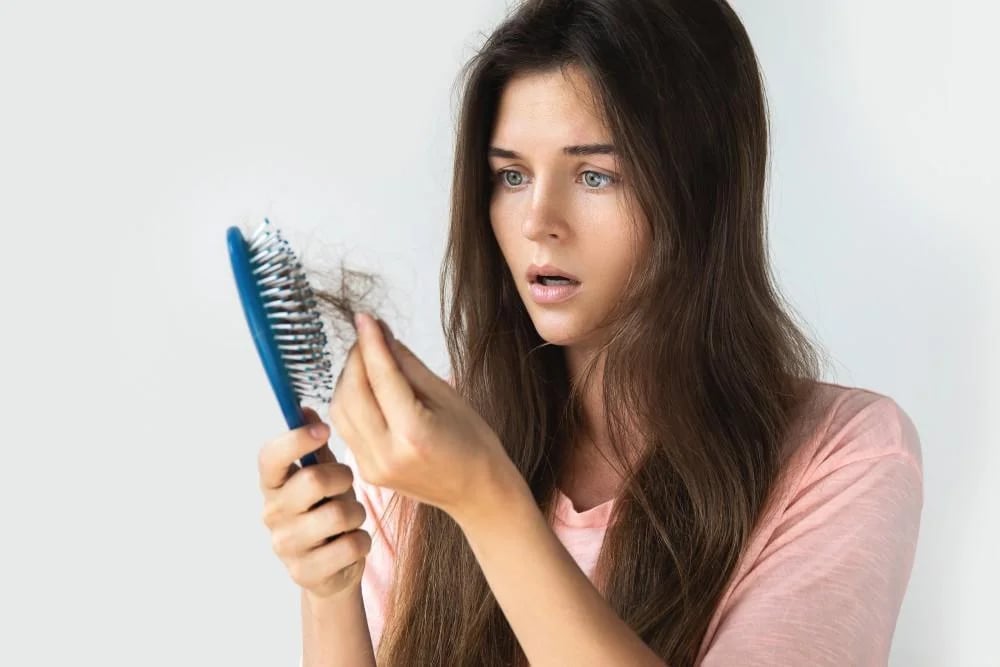
The Top Places Your Hair Falls Out When the Cause Is Hormonal
If your hair sheds at a scary pace, your hormones might be the culprit. Find out the top places where hormonal hair loss occurs — plus why it’s happening, and how to stop it.
A patient once sat down for what she assumed would be an awkward conversation and instead found it was the fastest part of her whole visit. She had noticed her pubic hair thinning for close to a year and had said nothing to anyone, not her gynecologist, not her primary care doctor, not even her partner. She figured it was just one of those strange things bodies do sometimes. It turned out to be one of the earlier, clearer signs that her hormones were shifting well before she hit any of the symptoms she'd been taught to watch for.
That story is common at Liondale Medical. Body hair changes are one of the most underreported symptoms in medicine, not because they're rare, but because almost nobody feels comfortable bringing them up first. Lionel Bissoon, DO, treats this the same way he treats any other hormonal clue: as real, diagnosable, and worth investigating rather than quietly living with.
Every hair follicle on your body, including in the pubic region, cycles through phases of growth, rest, and shedding. Finding a few loose hairs in the shower is ordinary biology, not a symptom. What actually matters is the shape of the change over time. Progressive thinning across weeks or months, patchy areas that don't fill back in, or shedding that shows up alongside fatigue, mood shifts, or irregular cycles is the pattern that deserves a second look.
Pubic and body hair growth depends heavily on androgens, a hormone family that includes testosterone and DHEA, present in both men and women. Scalp hair can thin for a huge range of reasons, but body hair is unusually tied to hormone levels specifically, which is part of why it often reflects a hormonal shift earlier and more clearly than other symptoms do.
In men, testosterone declines gradually with age, and reduced pubic and body hair density is one of the quieter early markers, sometimes showing up alongside fatigue or a drop in libido well before a man connects any of it to his hormones. In women, estrogen and testosterone both fall during perimenopause and menopause, and pubic hair thinning frequently accompanies that transition, occasionally arriving before the more familiar signs like hot flashes or cycle changes. Thyroid dysfunction, both an underactive and an overactive thyroid, can thin hair throughout the entire body, since thyroid hormone directly regulates the hair growth cycle. And conditions involving fluctuating or imbalanced androgens, including PCOS, can produce uneven or patchy loss depending on the specific hormonal pattern at play.
Hormones are the most frequent explanation, but a careful evaluation rules out everything else first. Tight clothing and repeated friction can cause localized breakage that has nothing to do with hormones. Skin conditions like folliculitis, eczema, or psoriasis can affect hair growth in whatever area they touch. Deficiencies in iron, zinc, or protein show up in hair follicles quickly, since follicles are metabolically demanding tissue and often among the first to react to a nutritional gap. Alopecia areata, an autoimmune condition where the immune system mistakenly targets hair follicles, can affect body hair the same way it affects the scalp, eyebrows, and lashes, often in a distinct patchy pattern. Certain medications, including some hormonal contraceptives and chemotherapy drugs, list hair changes as a known side effect. And significant physical or emotional stress, illness, surgery, or rapid weight loss can trigger a temporary body-wide shedding phase called telogen effluvium, which usually resolves once the underlying stress resolves, though it still deserves a look to confirm nothing else is driving it.
Sorting through this list is exactly why self-diagnosis rarely works well here. Two patients can describe nearly identical symptoms, thinning over several months, no obvious trigger, and end up with entirely different explanations once bloodwork and a physical evaluation are complete. One might have a straightforward hormonal cause with a clear treatment path. Another might turn out to have a nutrient deficiency that's easily corrected once identified. A third might have an autoimmune pattern that needs an entirely different approach. Guessing based on internet research alone tends to send people down the wrong path, sometimes toward supplements or treatments that don't address what's actually happening.
Most symptoms come up naturally in conversation with a doctor. This one almost never does unless someone asks directly. That silence has a real cost: a hormonal imbalance driving pubic or body hair loss can go undiagnosed for years simply because the patient never mentions it and the provider never asks. Dr. Bissoon asks about it directly during hormone evaluations for exactly this reason. It's often one of the earliest, most reliable signals available, long before more familiar symptoms show up.
There's nothing unusual about how this gets worked up. Dr. Bissoon starts with a full history, including any other changes you've noticed in energy, mood, sleep, libido, or menstrual cycles, since these frequently connect to the same underlying cause. From there, bloodwork typically covers a complete hormone panel including both total and free testosterone, thyroid function, and screening for the nutrient deficiencies most commonly implicated. Depending on what your history suggests, additional testing for autoimmune markers may follow. A second visit reviews results and lays out a specific plan grounded in what your labs actually show, not a guess based on symptoms alone.
It helps to know what the actual appointment feels like before you walk in. Most patients expect a clinical, slightly cold conversation about a subject they've never discussed with a doctor before. In practice, it plays out closer to any other intake visit. You're asked open questions about your health history and given room to describe what you've noticed in your own words, without needing to have a diagnosis in mind already. Bloodwork is drawn the same way any other lab panel is drawn. Nothing about the process singles this symptom out as more delicate or unusual than fatigue, weight changes, or sleep problems, all of which get the same straightforward treatment.
Patients often want to know how long this takes to sort out, since living with an unexplained symptom for months already feels long enough. A typical path looks like this: an initial consultation to review history and order bloodwork, usually within the first visit. Lab results generally come back within a week to ten days. A follow-up appointment then walks through what those results show and what, if anything, needs to happen next. For patients whose cause turns out to be hormonal, meaningful improvement in hair density often takes a few months once treatment begins, since hair growth itself is a slow, cyclical process that doesn't respond overnight to any intervention, hormonal or otherwise.
When hormonal decline is behind it, bioidentical hormone replacement therapy tailored to your specific deficiency is usually the most direct path forward, since restoring the hormone that regulates hair growth tends to outperform any topical approach. Patients weighing this option often find it helpful to read our broader comparison of bioidentical versus synthetic hormones before their consultation.
When a nutrient deficiency is the driver, targeted supplementation or, for more significant gaps, IV therapy can correct it faster than oral supplements alone.
When thyroid dysfunction is responsible, treating the underlying thyroid condition typically resolves the hair changes as hormone levels normalize.
When the cause turns out to be autoimmune, treatment shifts toward anti-inflammatory or immune-modulating strategies rather than hormone correction, since the mechanism at work is fundamentally different.
An imbalance significant enough to affect pubic hair growth is frequently significant enough to be touching other systems too. Energy, mood, bone density, and metabolism are all downstream of the same hormones responsible for hair growth, even when those connections aren't obvious yet. Treating body hair loss as a legitimate diagnostic clue, rather than something too embarrassing to mention, is often what leads to catching a broader hormonal issue while it's still early and easier to address. Patients dealing with declining testosterone specifically often benefit from a broader look through our men's health services, which evaluate testosterone alongside the other hormones it interacts with.
Waiting to bring this up rarely fixes anything on its own, and it's worth being honest about why. Hormonal decline generally doesn't reverse without intervention. Left unaddressed, the same hormonal shift driving hair thinning tends to progress, sometimes showing up in other areas of your health before you connect the dots. A thyroid condition left untreated can affect weight, energy, and cardiovascular health well beyond hair growth. A nutrient deficiency left unaddressed can deepen over time rather than resolve on its own. None of this is meant to create alarm, most causes here are entirely manageable once identified, but there's little upside to waiting once you've noticed a real pattern, and there's a genuine cost to letting an underlying cause continue unaddressed for months or years longer than necessary.
If there's one thing worth taking from all of this, it's that a symptom doesn't need to feel dramatic to be medically meaningful. Pubic and body hair changes are quiet, private, and easy to rationalize away, which is exactly why they go undiscussed for so long. But quiet symptoms are often the ones worth listening to most closely, since they tend to appear before louder, more disruptive ones do. Bringing it up costs you a few minutes of mild discomfort in a conversation with a physician who has heard it many times before. Not bringing it up costs you however long the underlying cause continues unaddressed.
Women navigating this change during perimenopause or menopause often find it useful to address it as part of a comprehensive plan through our dedicated menopause care rather than treating it in isolation. Patients whose hair changes extend to the scalp as well can explore regenerative and hormonal options on our hair loss page. And for anyone interested in a fuller evaluation of how hormones are shaping their overall aging trajectory, our anti-aging program looks at the complete picture rather than one symptom at a time. Patients whose evaluation reveals inflammation contributing to the picture sometimes also explore regenerative medicine as a complementary option once the hormonal piece has been addressed.
If you've noticed thinning body or pubic hair and want a real answer, schedule a confidential evaluation with Dr. Bissoon at Liondale Medical.
Some shedding is a normal part of the hair growth cycle. Progressive thinning, patchy loss, or shedding paired with other symptoms is what's worth evaluating.
Androgens, including testosterone and DHEA, regulate pubic and body hair growth in both men and women, which is why hormonal shifts tend to show up here clearly and often early.
Yes. Declining testosterone is a common, often overlooked cause of reduced body and pubic hair density in men, sometimes appearing before fatigue or libido changes become obvious.
Yes. Declining estrogen and testosterone during perimenopause and menopause commonly cause pubic hair thinning, and it can appear before more recognized menopause symptoms.
Yes, particularly if the thinning is progressive. A hormone panel and thorough evaluation can identify the actual cause instead of leaving you to guess.
Treatment depends entirely on the underlying cause, ranging from bioidentical hormone replacement to nutrient repletion to condition-specific approaches for autoimmune or thyroid-related causes.
This page was written and medically reviewed by Lionel Bissoon, D.O., founder of Liondale Medical. Dr. Bissoon is a board-certified osteopathic physician specializing in anti-aging and concierge medicine on the Upper West Side of Manhattan.
This content is for educational purposes only and does not constitute medical advice. Individual results may vary. Consult a qualified physician before beginning any new treatment.
Published