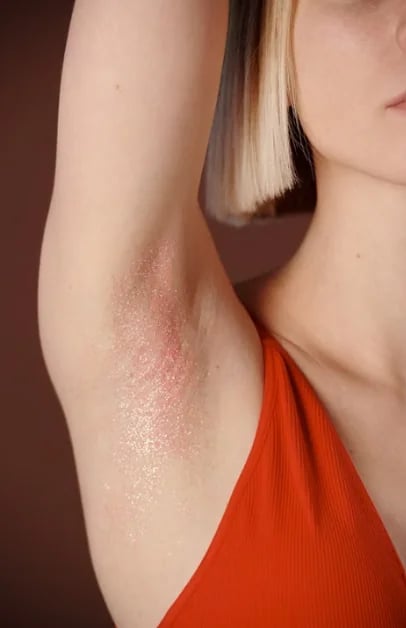
Losing Armpit Hair: Hormones, Aging, or Something Else?
Armpit hair thinning can be normal aging, or an early hormone, thyroid, or iron signal. A physician explains causes, patterns, labs, and when to get checked.

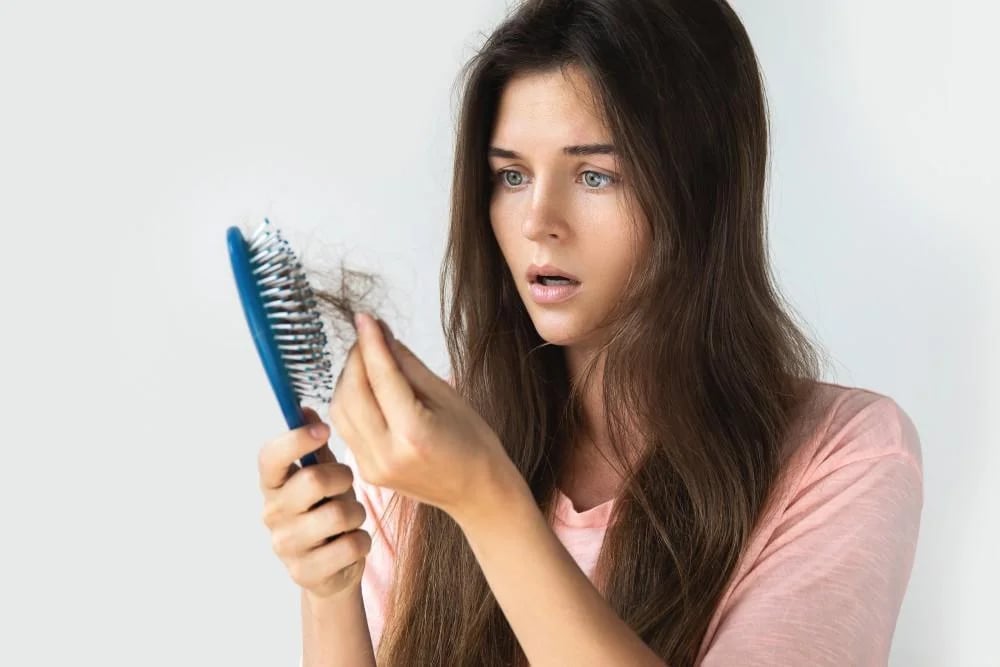
There is a particular sequence that plays out in most hair loss stories. You notice more hair in the drain, or a wider part, or a hairline that looks different in photographs. You search online. Within a few minutes you are looking at serums, supplements, shampoos, laser caps, and clinics offering procedures. Something gets purchased. Three months later, the hair is no better, and you have learned very little about why it was leaving in the first place.
The missing step is the boring one: finding out the cause. Hair loss is a symptom shared by a dozen quite different conditions, and the right treatment for one can be irrelevant or even counterproductive for another. A woman whose ferritin is low will not fix it with a topical. A man with a thyroid problem may spend a year on a hair-loss regimen while the real issue continues untouched. Someone recovering from a crash diet needs time and nutrition rather than a procedure.
This article walks through how hair loss is sorted into types, what blood work adds, and how a physician-led evaluation differs from a product-first approach.
Before any test, the pattern of loss tells a clinician a lot. Hair loss tends to fall into a few recognizable categories.
This is the most common form in both sexes. In men it typically appears as a receding hairline and thinning at the crown. In women it more often shows as a widening part and diffuse thinning across the top, while the frontal hairline is preserved.
The mechanism involves genetically programmed sensitivity of follicles to dihydrotestosterone, or DHT, a more potent derivative of testosterone. Over years, sensitive follicles shrink, producing thinner and shorter hairs until they stop producing visible hair at all. This is a gradual process, and early intervention preserves far more than late intervention.
Importantly, pattern loss does not mean you have high testosterone. Most men with pattern loss have entirely normal levels. The issue is how the follicle responds, not how much hormone is circulating.
Here the hair is not shrinking; it is shedding. A physiological stressor pushes a large proportion of growing hairs into the resting phase, and about two to four months later they fall out together. People describe handfuls in the shower, a noticeably thinner ponytail, or hair coming out when they run their fingers through it.
Triggers include significant illness, surgery, childbirth, rapid weight loss, crash dieting, protein or iron deficiency, thyroid disease, new medications, and severe emotional stress. The encouraging part is that once the trigger resolves, most people regrow. The frustrating part is that the trigger occurred months before the shedding began, so people often cannot connect the two.
Chronic telogen effluvium, lasting more than six months, deserves a closer search for an ongoing cause.
Autoimmune in origin, alopecia areata produces well-defined round or oval smooth patches, sometimes with tiny "exclamation point" hairs at the edges. It can occur at any age and may coexist with thyroid autoimmunity or other autoimmune conditions. It needs a dermatology-informed approach.
These are less common but important because they destroy follicles permanently. Signs include redness, scaling, burning, tenderness, or visible shine on the scalp where follicles have disappeared. Early diagnosis, sometimes with a biopsy, is essential because treatment aims to stop progression rather than restore lost hair.
Tight hairstyles, extensions, and harsh treatments can cause thinning along the hairline and temples. This is reversible early on and permanent if it continues long enough.
Many people have more than one type at once, such as pattern loss unmasked by a bout of shedding. That overlap is one reason self-diagnosis is unreliable.
The scalp reflects what is happening inside the body. Follicles are among the most metabolically active tissues you have, and they are among the first to be deprioritized when the body is short on resources or under hormonal stress.
Laboratory testing does two things. It identifies correctable drivers, and it protects you from spending money on solutions that will not work. If your ferritin is 11 ng/mL, adding a DHT blocker will not help much. If your TSH is elevated, no topical is going to compensate.
A sensible panel is chosen by pattern and history, but the following markers come up most often.
Ferritin and iron studies. Ferritin reflects stored iron. Many laboratories list values as low as 15 to 30 ng/mL as normal, but hair specialists frequently look for higher levels to support regrowth, especially in women. Testing also includes serum iron, total iron binding capacity, and transferrin saturation. Low iron stores are among the most common and most correctable contributors to shedding.
Thyroid panel. TSH, free T4, free T3, and thyroid antibodies. Both underactive and overactive thyroid can produce diffuse hair thinning, and autoimmune thyroid disease is closely linked with alopecia areata.
Vitamin D. Low levels are common in New York winters and have been associated with several forms of hair loss, though the strength of the evidence varies. Correcting a deficiency is cheap and low risk.
Vitamin B12 and folate. Deficiencies can contribute to shedding and are more likely in vegetarians, older adults, and people taking metformin or acid-reducing medication.
Zinc. Both deficiency and excess can matter. Testing is sensible when diet is limited, when malabsorption is possible, or when someone has been taking high dose supplements.
Complete blood count and metabolic panel. These catch anemia, liver or kidney issues, and general health problems that influence hair.
Fasting glucose, insulin, and A1c. Insulin resistance is linked with androgen excess in women and with pattern loss in some men. It is also worth knowing for its own sake.
Sex hormones. In men, total and free testosterone, SHBG, estradiol, LH, and FSH, drawn in the morning. In women, testosterone, free testosterone, DHEA-S, androstenedione, prolactin, estradiol, FSH, LH, and sometimes 17-hydroxyprogesterone, timed to the menstrual cycle when applicable.
Inflammatory and autoimmune markers. When history or examination points that way, additional antibody testing may be added.
Timing matters. Hormone levels vary through the day and through the menstrual cycle, and biotin supplements can distort several assays, including thyroid and hormone tests. If you take biotin, stop it several days before your draw. Our explainer on fasting before blood panels covers which tests need an empty stomach.
The word "hormonal" gets used loosely in hair loss marketing, so let us be precise.
Hormones influence hair through several pathways. Androgens, especially DHT, miniaturize sensitive follicles in the scalp while stimulating growth of body and facial hair. Estrogen tends to prolong the growth phase of scalp hair, which is one reason many women notice shedding after childbirth and around menopause when estrogen drops. Thyroid hormone regulates the pace of the hair cycle. Cortisol, when chronically elevated, disrupts it. Insulin and sex hormone binding globulin shape how much free androgen reaches tissue.
Hair changes often cluster around hormonal transitions: postpartum, after stopping hormonal contraception, in perimenopause, and after menopause. A woman with a widening part, irregular cycles, acne, and increased facial hair may have a hyperandrogenic condition such as polycystic ovary syndrome. A woman in her late forties with diffuse thinning, night sweats, and sleep disruption may be seeing the effect of declining estrogen.
Because scalp thinning at menopause is rarely from one cause, evaluation typically looks at iron, thyroid, and sex hormones together.. The evidence and options around hormone therapy, including bioidentical versus synthetic hormones, are worth understanding before making decisions.
Men with pattern loss usually have normal testosterone. However, a full hormone panel still matters, because low testosterone, thyroid disease, or nutritional deficiency can add shedding on top of genetic thinning. Men using testosterone therapy also need to know that increasing androgen exposure may accelerate pattern loss in those who are genetically susceptible. That does not mean treatment is off the table, but it should be part of the discussion, and some men choose to combine it with hair-preserving measures.
Some of the most common triggers are the ones patients do not bring up, because they do not seem related.
Rapid weight loss. Losing a large amount of weight quickly, by any method, can trigger shedding two to four months later. This has become more common with the widespread use of GLP-1 medications. The shedding usually settles, but low protein intake and micronutrient gaps make it worse.
Illness or surgery. A high fever, COVID-19 infection, a hospital stay, or a surgical procedure in the past six months can be enough.
Medications. Beta blockers, certain anticoagulants, retinoids, some antidepressants and anticonvulsants, and anabolic supplements can all affect hair.
Restrictive eating. Low calorie diets, low protein intake, and vegetarian or vegan diets that lack planning can leave follicles short of resources.
Chronic stress and poor sleep. These are harder to measure, but they raise cortisol, disrupt hormone balance, and make recovery slower.
Hair care habits. Frequent tight styles, heat, chemical treatments, and aggressive brushing add to the burden.
Numbers only mean something in context, so here is how the same results can lead to different conclusions.
Imagine a woman in her late thirties with diffuse shedding for five months. Her hemoglobin is normal, TSH is 3.9, and ferritin is 14. On paper, nothing is flagged as abnormal except a ferritin that some labs would still call acceptable. In the context of heavy periods and a mostly plant-based diet, that ferritin is a leading suspect. The TSH sits at the upper end of the reference range, so free T4 and thyroid antibodies are worth adding before anyone declares the thyroid clean.
Now imagine a man in his early thirties with a receding hairline and crown thinning. His testosterone, thyroid, and iron are all normal. Here the labs tell you something valuable by ruling out other contributors: the pattern is very likely genetic, the window for preserving hair is open, and the conversation can move to prevention options without spending months chasing deficiencies that do not exist.
A third example: a woman in her early fifties with thinning and hot flashes. Ferritin and thyroid are fine, and estradiol is low with an elevated FSH. The panel confirms the menopausal transition as a major factor, which shifts the discussion toward broader hormonal care.
In each case, the lab result did not cure anything. It pointed the plan in a direction and spared the patient from trying the wrong things first.
Some of the most common hair loss stories in women follow a predictable calendar. Postpartum shedding typically begins two to four months after delivery, peaks around month four, and settles within a year for most women. It reflects the drop in estrogen after pregnancy and is not a sign of disease, although low ferritin after delivery can prolong it.
Stopping hormonal contraception can trigger a similar shedding episode a few months later, particularly in women whose hair was thicker on the pill. Starting certain contraceptives with more androgenic progestins can, in susceptible women, have the opposite effect. Reviewing the specific formulation with your physician can help.
Perimenopause brings its own pattern, with gradual thinning over the crown and part line, sometimes alongside a change in texture. Because several factors overlap in this stage, a combined look at iron, thyroid, and sex hormones gives more usable information than any single test.
A physician-led evaluation includes looking at the scalp, not just the blood. The clinician will note the pattern of thinning, hair caliber variation, the condition of the scalp skin, the state of eyebrows and body hair, and whether a pull test releases more hairs than expected.
Some practices use dermoscopy, a magnified view of the scalp, to look at follicle openings, hair shaft thickness, and signs of inflammation. When scarring alopecia is suspected, a small biopsy may be taken.
Photographs taken under consistent conditions at baseline and follow up are invaluable. Hair changes slowly, and it is easy to feel like nothing is working when there is real progress, or the reverse.
The point of the workup is to line up the intervention with the finding.
Iron deficiency. Replenish stores under guidance, address the cause of the deficiency, and recheck ferritin. Expect several months before visible change.
Thyroid disease. Treat the underlying condition. Hair typically recovers as levels normalize, though it takes months.
Telogen effluvium. Remove the trigger, support nutrition, protect sleep, and reassure. Most cases resolve within six to twelve months.
Pattern loss. This is where options multiply. Topical minoxidil is well studied for both sexes. Finasteride and dutasteride reduce DHT in men and are used in select cases, with a discussion of side effects. Low dose oral minoxidil is used in some patients under medical supervision. Anti-androgen approaches such as spironolactone are used in some women, with pregnancy precautions. Platelet rich plasma and energy-based devices have supportive but variable evidence. Hair transplantation is an option for stable pattern loss once medical treatment has been optimized. The important point is that these tools are matched to the person after the reversible causes are handled.
Hormonal transitions. In menopause, treatment of the broader hormonal picture may improve hair as part of a larger response. In men with confirmed low testosterone, therapy may help several symptoms but can affect hair in susceptible individuals, so the decision is individualized.
Alopecia areata. Topical and injectable options, and newer systemic therapies for more extensive disease, in coordination with dermatology.
Scarring alopecia. Early, targeted anti-inflammatory treatment to halt progression.
Hair grows about a centimeter a month, and the cycle is slow. The consequences are worth knowing before you begin.
Most treatments need at least three to four months before visible change and often six to twelve months for a meaningful judgment. Some conditions look worse before they look better, as weak hairs shed when a treatment begins. Reversing a nutritional cause takes as long as it took to develop, roughly.
Consistency beats intensity. The most common reason treatments fail is that people stop them too early or use them inconsistently.
Seek evaluation promptly if you notice sudden, patchy loss, scalp pain, burning or redness, scaling, loss of eyebrows or eyelashes, or hair loss accompanied by unexplained weight change, fatigue, palpitations, or missed periods. These features point to conditions that benefit from early diagnosis.
The market is crowded, and it helps to know what separates a medical evaluation from a sales consultation.
Ask whether blood work is part of the initial evaluation. A practice that recommends a procedure or a product line after a five minute look at your scalp is worth questioning.
Ask who makes the diagnosis. A physician who understands hormones, thyroid, nutrition, and dermatology can integrate the pieces. Our comparison of physician-led versus nurse-led longevity clinics explains why the training behind the decision matters.
Ask how progress is measured. Good practices document baseline photographs and follow up at set intervals.
Ask what happens if you do not need treatment. A trustworthy clinician will sometimes tell you to wait, or that your loss is within the range of normal variation.
Ask about the evidence. Legitimate options come with honest discussion of what is known and what is uncertain.
Patients often arrive concerned about hair alone, and leave with insights into their overall health. Low ferritin can reveal unrecognized blood loss. An abnormal thyroid panel can explain fatigue and weight changes that had been dismissed. Insulin resistance can prompt earlier metabolic changes. Sleep apnea screening can surface a problem that has been driving hormone imbalance for years.
That is not an accident. The follicle is sensitive to the same physiology as the rest of the body, so the same investigation that explains your hair often improves your health.
If you want to see how deeper testing complements standard results, our discussion of standard labs versus precision diagnostics shows what can be missed in a routine panel. For where else hormonal hair changes can appear, the top places your hair falls out when the cause is hormonal is a useful companion read.
At Liondale Medical, Dr. Lionel Bissoon starts with history and a targeted set of labs before any treatment is discussed. Results are reviewed in plain language, and the plan is built around what the evaluation found: correcting deficiencies, addressing hormone imbalances when they are present, and laying out realistic options for the pattern of loss you have.
You can learn more about the practice's hair loss services, read about Dr. Bissoon's approach, or book a consultation to begin with the question that matters most: why is this happening?
Common starting tests include ferritin and iron studies, thyroid panel with antibodies, vitamin D, B12, folate, a complete blood count, metabolic panel, and glucose or insulin markers. Depending on your history, sex hormones such as testosterone, estradiol, DHEA-S, and prolactin may be added.
No. Hormones play a major role in pattern loss and in changes around pregnancy and menopause, but nutritional deficiencies, thyroid disease, illness, medications, stress, autoimmune disease, and hairstyling habits are also common causes, and many people have more than one.
Yes. Ferritin can be low enough to affect hair while hemoglobin and other counts remain normal. That is why ferritin is tested directly rather than inferred from a standard blood count.
Most treatments need three to four months before change becomes visible, and six to twelve months to judge properly. Hair grows slowly, so patience and consistent use matter.
It can accelerate pattern hair loss in men who are genetically susceptible, because higher androgen exposure increases DHT. It does not affect everyone. If you are considering therapy and are concerned about hair, discuss preventive options with your physician beforehand.
See a physician if shedding lasts longer than a few months, if loss is sudden or patchy, if your scalp is painful or inflamed, or if hair loss comes with other symptoms such as fatigue, weight change, or irregular periods. Earlier evaluation preserves more options.
This page was written and medically reviewed by Lionel Bissoon, D.O., founder of Liondale Medical. Dr. Bissoon is a board-certified osteopathic physician specializing in anti-aging and concierge medicine on the Upper West Side of Manhattan.
This content is for educational purposes only and does not constitute medical advice. Individual results may vary. Consult a qualified physician before beginning any new treatment.
Published