Hair Loss Specialist in NYC: Get the Labs Before the Treatment
Before you buy a serum or book a procedure, learn why your hair is thinning. A physician explains the labs, hormones, and hair loss types that guide treatment.
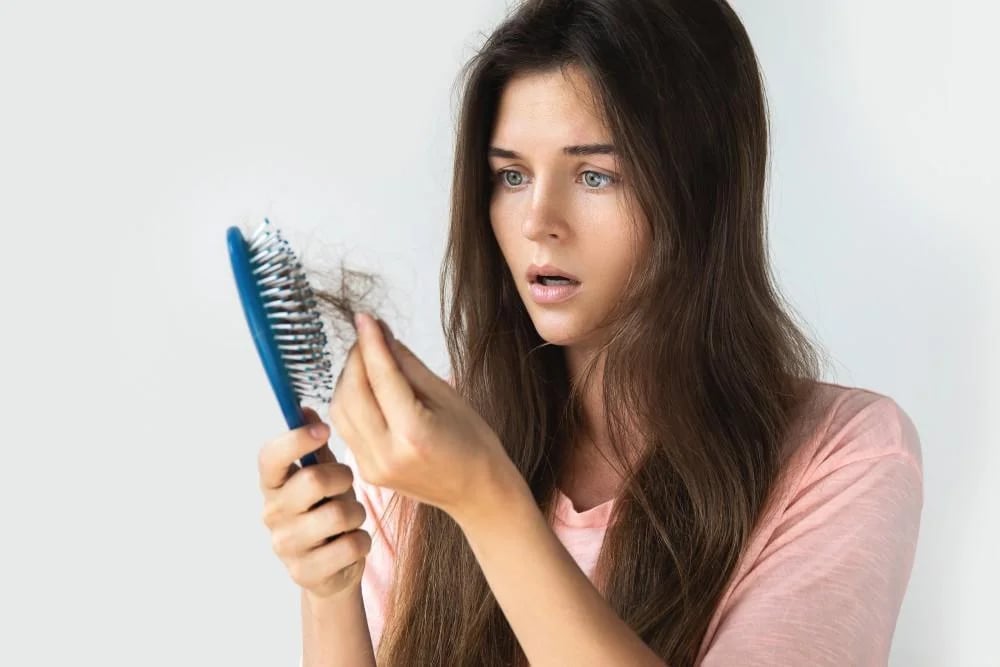
If you've noticed more hair in your brush, on your pillow, or clogging the shower drain, a hormonal imbalance could be behind it - especially if the thinning shows up in specific places rather than evenly across your whole head. It's a common issue: about 80% of women experience some form of hormone imbalance in their lifetime, and men typically lose about 1% of their testosterone levels yearly after age 40.
Lionel Bissoon, DO, at Liondale Medical helps patients pinpoint hormonal causes of hair loss and restore hair thickness. Here's where hormonal hair loss tends to show up first, how to tell it apart from other causes, and what treatment actually looks like.
Most people shed about 50–100 hairs a day as part of a normal growth cycle. Shedding noticeably more than that - or seeing thinning concentrated in specific spots - is what typically prompts people to look for a cause. Hair can thin for many reasons, including:
Hair loss sometimes has more than one contributing cause, and occasionally the exact reason isn't clear without testing.
A few patterns tend to point toward a hormonal cause rather than something else:
If you're unsure, that uncertainty is itself a reason to get checked rather than wait it out.
When hormones play a role in hair loss, it tends to concentrate in a few predictable places.
Hormone imbalances - especially shifts in an androgen called dihydrotestosterone (DHT) - often trigger a receding hairline. DHT is produced from testosterone and, in people genetically sensitive to it, gradually shrinks hair follicles along the hairline and crown.
Low or imbalanced hormone levels contribute to thinning across the scalp more broadly. Women may notice female-pattern thinning (concentrated along the part, at the top of the head). Men may see it start at the crown. In some cases, thinning spreads across the whole scalp rather than staying localized.
Scalp hair loss can stem from an imbalance in estrogen, progesterone, testosterone, thyroid hormone, cortisol, DHT, or some combination of these.
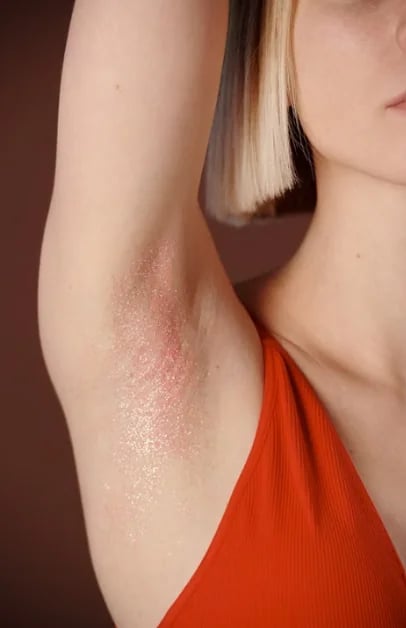
Some people notice their armpit hair thinning or falling out due to shifts in testosterone or estrogen. This is a less commonly discussed area than scalp hair loss, but it follows the same underlying hormonal logic - androgen-sensitive follicles respond to hormone changes wherever they're located, not just on the scalp. On its own, thinning armpit hair isn't usually a red flag, but paired with scalp or other changes, it's worth mentioning to a doctor.
Pubic hair loss or thinning may point to low testosterone, low estrogen, a DHT imbalance, or a combination of hormone shifts. This is a genuinely common question - many people notice it and aren't sure whether it's normal. Some gradual thinning with age is expected and not usually a concern. Sudden or more severe loss, however, is less typical and worth having evaluated, since it can also flag other underlying conditions unrelated to hormones.
A hormone imbalance can occasionally cause thinning across body hair more broadly - arms, legs, or chest, for example. Because this pattern is less common and less specific than scalp or hairline thinning, it's one of the more useful signals to bring up directly with a doctor rather than trying to self-diagnose.
Hormonal hair loss treatments work gradually, not overnight, since they're working with the hair growth cycle rather than around it:
Consistency matters more than any single treatment choice - stopping early, before the hair cycle has had time to respond, is one of the most common reasons people feel like a plan "didn't work."
At Liondale Medical on the Upper West Side of Manhattan in New York City, you get access to several approaches, often combined based on the underlying cause:
Supporting your treatment with a balanced diet, appropriate supplements, sufficient sleep, regular exercise, and stress management helps optimize results.
Get evaluated if hair loss is sudden, patchy, accompanied by scalp pain or redness, or paired with other new symptoms (fatigue, weight change, irregular cycles). These patterns can point to something beyond routine hormonal shifts and are worth ruling out early.
Schedule a hair loss evaluation with Dr. Bissoon at Liondale Medical to identify the cause and start a plan toward fuller, thicker, healthier hair.
Yes - hormonal hair loss often affects more than just the scalp. Because hormone-sensitive follicles exist across the body, thinning in two or more areas around the same time (scalp plus armpit or pubic hair, for example) is actually a common sign the cause is hormonal rather than localized.
Gradual thinning of pubic hair with age is common and usually not a concern. Sudden or severe loss is less typical and is worth having evaluated, since it can point to a hormone imbalance or another underlying condition.
Not necessarily on its own, but it can be one signal among several. Testosterone and estrogen shifts can both affect armpit hair. If it's paired with other changes - scalp thinning, fatigue, or mood shifts - it's worth mentioning at a hormone evaluation.
Yes, though it's less common and less specific than scalp or pubic-area thinning. Body hair loss (arms, legs, chest) can occur with hormonal shifts and is a good detail to raise directly with a doctor.
Most people see shedding stabilize in the first 4–8 weeks, early regrowth by 3–6 months, and fuller results by 6–12 months. Hair growth cycles are gradual, so consistency matters more than any single treatment.
See a doctor if hair loss is sudden, patchy, accompanied by scalp pain or redness, or comes with other new symptoms like fatigue or irregular cycles - these can indicate causes beyond typical hormonal shifts.
Published