What Actually Happens to Your Blood Sample After an IV Nutrient Infusion Draw
Nine stops from the draw chair to your results conversation: labeling, processing, transport, testing, quality control and physician review.
"My doctor said everything looks normal" is one of the most common and most quietly frustrating sentences in medicine. It's usually true, and it's usually also incomplete. A standard annual physical is designed to screen for a relatively narrow set of established diseases using reference ranges built around population averages, not to characterize how you, specifically, are aging or functioning at a level detailed enough to catch problems years before they become diagnosable conditions. This is not a criticism of primary care, which serves an important and different purpose. It's a description of a gap, and the gap is exactly where precision diagnostics operates.
Below is a panel-by-panel look at what a standard annual physical typically checks, and what a precision diagnostics workup adds at each point.
Standard physical: A fasting glucose or hemoglobin A1c, checked once a year, flagged as abnormal only once you cross into prediabetic or diabetic reference ranges, typically a fasting glucose above 100 mg/dL or an A1c above 5.7%.
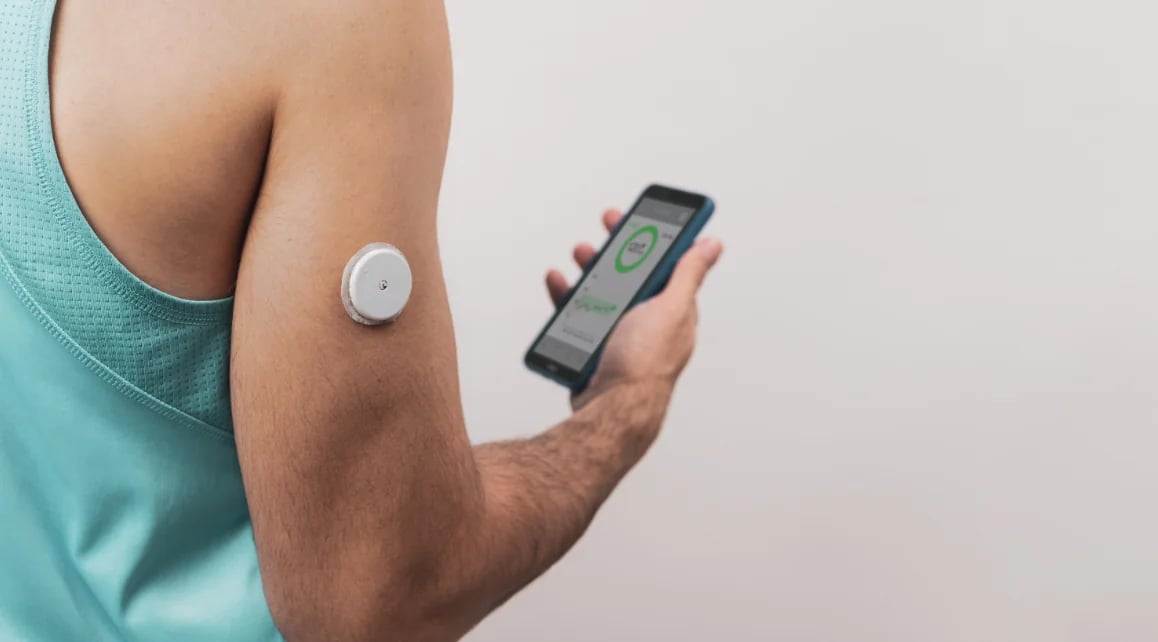
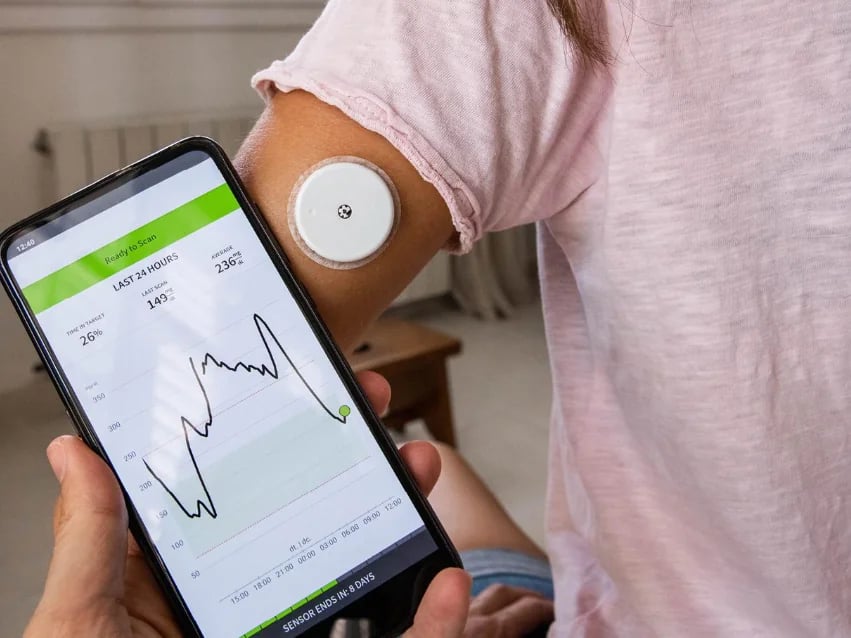
Precision diagnostics: Continuous glucose monitoring over one to two weeks of normal life, capturing your actual glucose response to specific meals, stress, sleep quality, and exercise, rather than a single fasting snapshot. This reveals patterns, such as significant post-meal spikes or overnight variability, that can be entirely invisible on an annual A1c even in someone whose average glucose looks technically normal. Someone can have a completely unremarkable A1c and still show glucose patterns associated with early metabolic dysfunction when monitored continuously, information a once-a-year snapshot simply cannot capture.
Standard physical: A basic lipid panel, total cholesterol, LDL, HDL, and triglycerides, which provides a reasonable but limited picture of cardiovascular risk.
Precision diagnostics: Advanced lipid particle testing, including LDL particle number and size, along with markers like Lp(a), a genetically determined risk factor that is not part of a standard lipid panel and, when elevated, significantly changes cardiovascular risk regardless of how normal your basic cholesterol numbers look. Lp(a) is checked once in a lifetime in most cases since it's largely genetically fixed, yet it remains one of the most commonly missed pieces of cardiovascular risk assessment in routine care, because it is simply not part of the default panel most physicians order.
Standard physical: Often nothing at all, unless there's a specific symptom prompting investigation. When inflammation is checked, it's typically a basic CRP, and even then, not universally ordered as part of routine screening.
Precision diagnostics: High-sensitivity CRP as a baseline, plus, depending on clinical context, a broader look at inflammatory patterns that can flag issues well before they present as a diagnosable condition. Chronic, low-grade inflammation is implicated in a wide range of age-related conditions, and it is one of the areas where the difference between "checked routinely" and "not checked unless something else prompts it" is most consequential.
Standard physical: For most adults outside of specific complaints, minimal to no hormone testing. A physician might check thyroid function (TSH) if symptoms suggest it, but comprehensive sex hormone panels, cortisol patterns, or detailed thyroid antibody testing are rarely part of a standard annual visit unless a patient specifically raises a concern.
Precision diagnostics: A full hormone panel appropriate to age and sex, which for women can include a detailed look at where they are in the menopause transition beyond a single symptom-based conversation, and for men can include total and free testosterone along with related markers, not just a single number in isolation. This is particularly relevant for patients experiencing symptoms like fatigue, brain fog, or mood changes that get attributed to stress or aging in a standard visit but that a fuller hormone picture can sometimes explain and address directly.
Standard physical: Rarely checked unless a specific deficiency is suspected, and even then, usually limited to one or two markers like vitamin D or B12 if symptoms point that direction.
Precision diagnostics: A broader micronutrient panel that can reveal subclinical deficiencies contributing to fatigue, cognitive symptoms, or suboptimal recovery from exercise, well before those deficiencies become severe enough to show up as an obvious, single-marker abnormality on a standard panel.
For a deeper look at what a conventional annual physical actually tests, and what a precision diagnostics workup can reveal beyond those standard markers - read: “Why Your Annual Physical Bloodwork Missed Everything: Standard Labs vs. Precision Diagnostics”
Standard physical: A scale weight and, at best, a BMI calculation, which does not distinguish between muscle mass, fat mass, or where fat is distributed, three factors that matter considerably more for health risk than total weight alone.
Precision diagnostics: DEXA scanning or similar body composition analysis, providing an actual breakdown of muscle mass, fat mass, and visceral fat specifically, the fat surrounding internal organs that carries disproportionate metabolic risk compared to subcutaneous fat, and that two people with an identical BMI can have in very different amounts.
Standard physical: A basic metabolic panel that includes creatinine and liver enzymes, flagged only when values fall outside a broad reference range that, by design, is wide enough to avoid over-flagging healthy variation across a large population.
Precision diagnostics: The same core markers, but interpreted longitudinally against your own historical values rather than only against the population reference range, which means a value that is technically "normal" but has trended meaningfully in one direction over the past two or three years can be flagged and investigated well before it would cross into an abnormal range on a single annual snapshot. This trend-based interpretation is one of the most consistently underused tools in routine care, largely because a fifteen-minute annual visit rarely allows time to pull up and meaningfully discuss several years of prior results side by side.
Standard physical: Essentially never assessed with objective data. A physician might ask how you're sleeping and note the subjective answer, but there is no standard test for sleep architecture, recovery quality, or autonomic nervous system balance as part of routine primary care.
Precision diagnostics: Wearable-derived data, or in some cases formal sleep study referrals when warranted, providing objective information about sleep stages, heart rate variability, and overnight recovery patterns. This matters because poor sleep quality and low heart rate variability are both associated with a range of downstream health effects, and they are frequently the missing explanation behind symptoms, persistent fatigue, slow recovery from exercise, mood changes, that get otherwise attributed to stress, aging, or dismissed altogether in a standard visit that has no mechanism for objectively assessing them.
Standard physical: Typically limited to a verbal family history discussion, useful but dependent entirely on what you know and remember about your relatives' health histories, and not paired with any actual genetic testing unless a specific concern, such as a strong family history of a particular hereditary cancer syndrome, prompts a referral.
Precision diagnostics: Depending on the individual case, genetic testing for relevant hereditary risk factors can be incorporated directly into a personalized longevity plan, providing objective information rather than relying solely on family recall, which is often incomplete, particularly for conditions that weren't diagnosed or discussed openly in earlier generations.
Put side by side, the pattern is consistent: a standard annual physical is built to catch disease once you've crossed an established diagnostic threshold, using a limited set of markers chosen for broad population screening. Precision diagnostics is built to characterize function and trend before you cross that threshold, using a wider set of markers interpreted against your own baseline over time rather than a single population-wide reference range.
Neither approach replaces the other. An annual physical remains essential for age-appropriate cancer screenings, vaccination, and catching acute or urgent findings. What precision diagnostics adds is the layer in between, the space where you feel "off," your labs are "normal," and nothing in a standard visit is designed to look closely enough to explain why.
It's worth being fair to primary care physicians in this comparison, because the gap described throughout this article is largely a structural feature of how the healthcare system allocates time and reimbursement, not a reflection of individual physicians failing to care about their patients' fuller health picture. A standard annual physical is typically scheduled for fifteen to thirty minutes and reimbursed at a rate that reflects that time allocation, which makes it structurally impossible to order, review, and meaningfully discuss the breadth of testing described above, even for a physician who fully understands its value and would order it if the visit structure allowed for it.
Insurance coverage criteria also play a significant role. Many of the tests described here, advanced lipid particle testing, Lp(a), continuous glucose monitoring for non-diabetic patients, comprehensive hormone panels, and DEXA-based body composition analysis outside of osteoporosis screening age brackets, are inconsistently covered or not covered at all by standard insurance when ordered outside of a specific diagnosed condition. A physician working within a standard insurance-based practice model faces real constraints, both time and coverage-related, that a concierge model is specifically structured to remove, by charging directly for the time and testing involved rather than working within reimbursement categories built around disease treatment rather than proactive optimization.
Understanding this distinction matters because it reframes the comparison, this isn't "your doctor missed something they should have caught," it's "the system your doctor operates within isn't designed to look for the things a concierge, precision diagnostics model is specifically built to find. Both roles are legitimate and valuable. They're simply built for different jobs.
When a patient comes to Liondale Medical after a frustrating primary care experience, "everything came back normal but I still don't feel right," the starting point is usually a comprehensive baseline across the categories above: continuous glucose data, advanced lipid and Lp(a) testing, inflammatory markers, a full hormone panel, micronutrient status, and body composition. From there, the value isn't just the single snapshot, it's tracking these markers over time as part of a personalized longevity plan, so that small shifts can be caught and addressed years before they would ever show up as an abnormal result on a standard annual panel.
This is also where a concierge model changes the experience meaningfully. Instead of a fifteen-minute visit once a year with limited time to discuss a wide panel of results, a physician has the time and continuity to walk through what each marker means for you specifically, build a plan around the ones that matter most for your goals, and adjust that plan as follow-up testing comes back.
Some patients worry that pursuing precision diagnostics elsewhere will feel like an implicit criticism of their existing primary care relationship, or worry about how to bring up wanting "more" testing without seeming dismissive of the care they've already received. In practice, framing this as complementary rather than corrective tends to go over well with most primary care physicians, many of whom are well aware of the time and coverage constraints they're working within and are glad to have a patient pursuing additional proactive testing elsewhere, particularly when that information is shared back with them rather than kept in a separate silo.
A simple, direct approach works best: letting your primary care physician know you're working with a longevity-focused practice for more comprehensive testing and asking whether they'd like copies of the results for their own records. This keeps both parts of your care connected rather than fragmented, and most physicians appreciate a patient who is engaged and proactive about their own health, regardless of where the additional testing originates.
It's not inadequate for its intended purpose, disease screening and catching acute issues, but it is limited in scope for characterizing overall function and catching sub-threshold patterns, which is a different and complementary goal.
Yes. Precision diagnostics complements, rather than replaces, routine screening like cancer screenings, vaccinations, and standard preventive care.
Lp(a) is a genetically determined lipoprotein associated with cardiovascular risk. It's not part of standard panels because it's typically only checked once, given it's largely fixed genetically, and many routine panels simply don't include it by default.
A1c reflects an average over roughly three months and can mask significant glucose spikes or overnight variability that continuous monitoring reveals in real time.
This depends on which markers are being tracked and your individual risk factors, but many components are reassessed periodically as part of an ongoing personalized longevity plan rather than as a one-time test.
No. Many patients pursue it specifically to establish a baseline and catch subtle changes early, before symptoms develop, which is the core premise behind proactive longevity medicine.
This page was written and medically reviewed by Lionel Bissoon, D.O., founder of Liondale Medical. Dr. Bissoon is a board-certified osteopathic physician specializing in anti-aging and concierge medicine on the Upper West Side of Manhattan.
This content is for educational purposes only and does not constitute medical advice. Individual results may vary. Consult a qualified physician before beginning any new treatment.
Published