Testosterone Pellets vs Testosterone Shots: Which Delivery Method Fits Your Lifestyle
Pellets last three to six months; shots allow faster dose changes. Dr. Bissoon compares both testosterone delivery methods for NYC patients.

If you have been researching ways to boost your NAD levels, you have likely come across two very different approaches, intravenous NAD therapy and oral NMN supplements sold online and in stores. Both aim to address the same underlying issue, declining NAD levels with age, but they work in meaningfully different ways, and the gap between them matters more than most marketing makes it seem.
Patients at Liondale Medical often arrive already having tried an NMN supplement, curious whether it is doing anything at all, or wondering whether IV therapy is worth the added cost and time. Dr. Lionel Bissoon walks through exactly this comparison during consultations, since understanding the mechanism behind each option makes the decision far easier.
Nicotinamide adenine dinucleotide, or NAD, is a coenzyme found in every cell in your body. It plays a central role in energy metabolism, DNA repair, and protecting cells from oxidative stress. NAD levels decline by roughly half by middle age, and factors like chronic stress, poor sleep, alcohol use, and vitamin B deficiency can accelerate that decline further. Because NAD touches so many cellular processes at once, how effectively you can restore it has outsized consequences for how you feel day to day, which is exactly why the delivery method is not a minor detail.
NMN, or nicotinamide mononucleotide, is a precursor molecule the body converts into NAD through a multi step metabolic process. NMN supplements are taken orally, typically as capsules or powders, and have become widely available online in recent years as interest in NAD boosting strategies has grown well beyond clinical and research settings into mainstream wellness culture.
The appeal is obvious. Oral supplements are inexpensive relative to medical treatment, require no appointment, and can be taken daily at home without any oversight. For some people, this convenience is exactly what makes NMN worth trying as a first step.
The challenge with oral NMN is not the molecule itself, but how much of it actually survives digestion and reaches your cells intact. Stomach acid, gut enzymes, and liver metabolism all reduce the amount of NMN that makes it into circulation before your body ever gets the chance to convert it into usable NAD. Bioavailability studies on oral NAD precursors have shown significant variability between individuals, which is part of why results from NMN supplementation alone can feel inconsistent from person to person, with some people reporting noticeable benefits and others reporting little to nothing after weeks of consistent use.
This variability is one of the more frustrating aspects of relying on oral supplementation alone. Without bloodwork specifically measuring your NAD levels before and after starting a supplement, it can be genuinely difficult to know whether it is working for you individually or whether your particular digestive and metabolic profile is limiting how much actually gets absorbed.
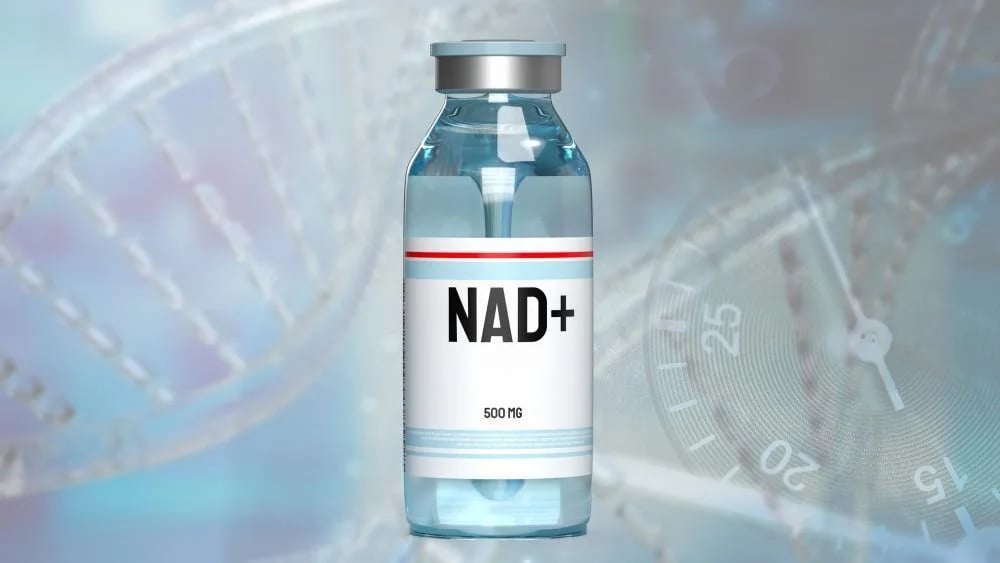
NAD IV therapy bypasses this problem entirely by delivering NAD directly into the bloodstream, skipping digestion and the conversion process altogether. This means the dose you receive is far closer to the dose your cells actually use, which is part of why many patients report noticing effects more quickly with IV therapy compared to weeks or months of oral supplementation.
During an IV session, the infusion is administered slowly over one to several hours, allowing your body to take up the NAD gradually while Dr. Bissoon monitors your response. Because the rate is controlled and adjustable in real time, the treatment can be fine tuned to your comfort in a way that oral supplementation simply cannot replicate.
| Factor | NAD IV therapy | NMN supplements |
|---|---|---|
| Delivery | Direct into bloodstream | Oral, through digestion |
| Bioavailability | High, bypasses digestive loss | Variable, reduced by digestion and metabolism |
| Speed of effect | Often noticeable within a day or two | Typically requires weeks of consistent use |
| Medical supervision | Administered and monitored in office | Self administered, unsupervised |
| Cost structure | Per session, often with maintenance plan | Ongoing daily purchase |
| Dose precision | Controlled and adjustable during infusion | Fixed by capsule or powder dosage, harder to individualize |
NAD has become one of the most closely studied molecules in longevity science over the past decade, largely because its decline is so directly tied to measurable markers of cellular aging. Researchers have found that restoring NAD levels in aging cells can partially reverse certain markers of cellular dysfunction, which has driven significant interest in NAD boosting approaches broadly, from IV therapy to oral precursor supplements like NMN and NR.
Much of the foundational research on NAD precursors has been conducted using injectable or intravenous delivery in controlled settings, precisely because researchers needed to guarantee bioavailability to measure the compound's actual effects. Oral supplementation studies have followed, but the translation from laboratory dosing to a daily consumer capsule involves exactly the absorption challenges discussed above, which is worth keeping in mind when supplement marketing cites research that was not necessarily conducted using an oral delivery method.
Not necessarily. Some patients use NMN supplements between IV sessions as a way to support their NAD levels day to day, while relying on IV therapy for a more significant, direct boost periodically. This combined approach is not right for everyone, and Dr. Bissoon can help determine whether adding an oral supplement alongside your IV schedule makes sense for your specific goals and budget.
Thinking of the two as complementary rather than competing options tends to be the more useful framework. IV therapy delivers a strong, reliable boost during and immediately after treatment, while a supplement, if it is well absorbed by your particular body, may help support levels in the stretches between sessions.
Most patients tolerate NAD IV therapy well, though some experience mild, temporary side effects like flushing, headache, or fatigue immediately following a session. These effects typically resolve within a few hours. Many patients report a noticeable boost in mental clarity and energy within a day or two of treatment, though the full cumulative benefits tend to build over a series of sessions rather than appearing after a single visit.
Session frequency varies by individual goals. Many patients begin with a short series of sessions scheduled close together, often weekly, to build up their NAD levels more quickly, followed by periodic maintenance infusions every few weeks or months depending on how they are responding and what they are hoping to maintain.
If you decide to try NMN supplementation on its own before considering IV therapy, it is worth setting realistic expectations. Effects, if noticeable at all, typically take several weeks of consistent daily use to become apparent, and the response varies significantly from person to person due to the absorption issues discussed earlier. Tracking how you feel over a defined trial period, rather than expecting immediate results, gives you a fairer sense of whether the approach is working for your body specifically.
A few patterns suggest oral supplementation alone may not be delivering the results you are hoping for, and that IV therapy is worth exploring. If you have used an NMN supplement consistently for six to eight weeks without any noticeable change in energy, mental clarity, or general vitality, this may indicate limited absorption specific to your body. If your fatigue, brain fog, or difficulty maintaining a healthy weight is significant enough to meaningfully affect your daily life, the more reliable and immediate impact of IV therapy may be worth the added cost and time compared to continuing an approach that has not shown clear results.
A common misconception is that NMN supplements and NAD IV therapy are simply two strengths of the same treatment, with IV just being a more intense version of the supplement. In reality, they are different enough in mechanism that thinking of them this way leads to unrealistic expectations either direction. Assuming an NMN supplement will eventually catch up to what IV therapy delivers, given enough time, ignores the underlying absorption ceiling that oral delivery runs into no matter how long you wait. Assuming IV therapy is simply overkill compared to a cheaper supplement ignores how much of the value comes specifically from bypassing digestion, not just from a larger raw dose of the same compound.
Another common misunderstanding involves how quickly results should appear. Marketing around both approaches sometimes implies near instant transformation, when in reality even IV therapy, the faster of the two options, typically requires a short series of sessions before the full cumulative benefit becomes apparent, and supplementation requires patience measured in weeks rather than days.
Patients dealing with significant, persistent fatigue, noticeable brain fog, or a general sense that their energy has dropped off a cliff tend to see the clearest, fastest value from IV therapy, since the direct delivery method matches the urgency of wanting real results rather than a slow, uncertain experiment. Patients who are generally feeling well but want to proactively support long term cellular health, without any pressing symptom driving the decision, are often better candidates for starting with NMN supplementation and evaluating from there, since the lower stakes and lower cost make it a reasonable first step before committing to ongoing IV sessions.
Age and baseline health also factor into this decision. Patients over 50, or those with a history of chronic stress, poor sleep, or heavy alcohol use, tend to have more significantly depleted NAD levels, which means the gap between what an oral supplement can realistically deliver and what they actually need is often wider. In these cases, IV therapy tends to close that gap far more reliably.
Rather than defaulting every patient to the same recommendation, Dr. Bissoon starts by understanding your specific symptoms, how long you have been experiencing them, and what you have already tried. If you arrive having used an NMN supplement without much success, that history is useful information rather than a wasted effort, since it helps narrow down whether absorption is likely the limiting factor in your case.

Bloodwork can also play a role in this conversation. While NAD levels themselves are not always part of a standard panel, related markers, along with a thorough symptom history, help build a clearer picture of what is actually happening at a cellular level and which approach is most likely to move the needle for you specifically. Dr. Bissoon also takes into account your existing health conditions, current medications, and any other treatments you may already be pursuing through Liondale Medical, since NAD therapy is often most effective as part of a broader, coordinated approach rather than an isolated intervention.
If your primary goal is a noticeable, relatively fast improvement in energy, mental clarity, or general vitality, IV therapy is generally the more direct and reliable route, since it does not depend on unpredictable digestive absorption. If you are looking for a lower cost, lower commitment way to support general cellular health over the long term, and are comfortable with slower, less certain results, NMN supplementation may be worth exploring, ideally alongside guidance from a provider familiar with your health history.
Dr. Bissoon's consultations typically start with a conversation about your specific symptoms, goals, and budget, which helps determine whether IV therapy, oral supplementation, a combination, or a different approach entirely makes the most sense for you.
IV therapy delivers NAD directly into the bloodstream, avoiding the absorption losses that come with oral NMN, so it typically produces more noticeable and faster results. NMN supplements can still play a supportive role, particularly between IV sessions.
Yes. Some patients combine both approaches, using supplements for daily maintenance and IV therapy for a more direct periodic boost. Discuss your specific plan with Dr. Bissoon to determine what fits your goals.
Stomach acid, digestive enzymes, and liver metabolism all reduce the amount of NMN that reaches your bloodstream intact, which is why oral bioavailability varies significantly between individuals.
Many patients notice effects from IV therapy within a day or two, while oral NMN supplementation typically requires weeks of consistent use before changes become noticeable, if they are noticeable at all.
Track your energy, mental clarity, and general sense of vitality over a defined period of at least six to eight weeks of consistent use. If you notice no meaningful change after that trial period, it may indicate limited absorption, and IV therapy is worth discussing as an alternative.
When administered by an experienced provider who monitors your infusion rate and response, NAD IV therapy is generally well tolerated. A consultation with Dr. Bissoon helps confirm it is an appropriate fit for your health history before your first session. Contact us today at Liondale Medical to learn whether NAD IV therapy, NMN supplementation, or a combination of both is the right fit for your goals.
This page was written and medically reviewed by Lionel Bissoon, D.O., founder of Liondale Medical. Dr. Bissoon is a board-certified osteopathic physician specializing in anti-aging and concierge medicine on the Upper West Side of Manhattan.
This content is for educational purposes only and does not constitute medical advice. Individual results may vary. Consult a qualified physician before beginning any new treatment.
Published